
Available projects
Many of these PhD projects may be eligible for the various scholarship opportunities offered by CDU.
Energy Resource Institute
- Fluoropolymer Co-Pyrolysis: Mechanisms, Fluorine Mass Balance, and PFAS Formation under Advanced Recycling Conditions – Professor Bogdan Z. Długogórski
Engineering
- Optimisation and Performance Validation of Binder Systems for the SmartBinder Automated Crack Sealing Platform2- Dr. Ali Rajabipour
- Photonic techniques for high-resolution real-time power grid condition measurement and structural monitoring – Associate Professor Prof Erwin Chan
- AI-Driven Digital Twin Microgrids for Remote Community Energy Resilience – Dr. Rahul Ranjeev Kumar
Information Technology
- Quantum‑Enhanced Intrusion and Financial Fraud Detection Using Hybrid Classical–Quantum Machine Learning– Associate Professor Bharanidharan Shanmugam
- Oral Translation pipelines using Augmented Intelligence (AI) for local low resourced languages– Dr. Cat Kutay
RIEL & ENVS
- Demonstration of microbial-active protected cropping systems for tropical horticulture and Indigenous crops in the Northern Territory– Professor Stephen Xu
- Linking rainfall variability, groundwater lag dynamics and riparian water use in the Beetaloo Basin– Associate Professor Dylan Irvine
- Developing indigenous-specific ecosystem services metrics and tools for nature-based economies in Northern Australia– Professor Kamaljit Sangha
- Multi-Modal Monitoring of Groundwater-Dependent Birds: eDNA and Acoustic AI Integration– Professor Maxine Piggott
- Detecting and quantifying methane emissions from a heterogeneous landscape using satellites and AI technologies– Dr. Richard Crabbe
ENERGY RESOURCE INSTITUTE PROJECT
Fluoropolymer Co-Pyrolysis: Mechanisms, Fluorine Mass Balance, and PFAS Formation under Advanced Recycling Conditions
(Currently Available)
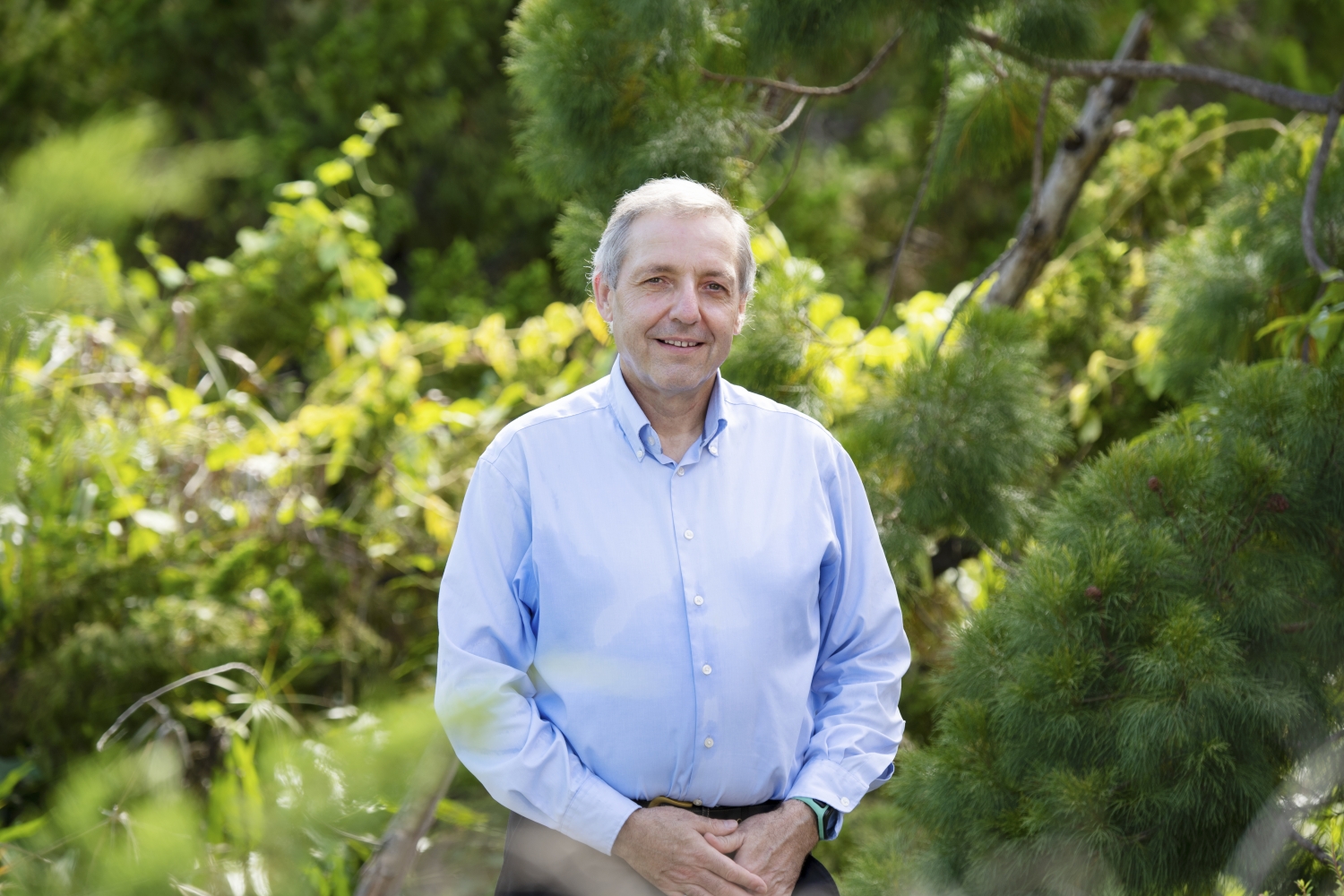
Professor Bogdan Z. Długogórski is a Distinguished Research Professor at Charles Darwin University’s Energy and Resources Institute and a Chartered Engineer and Chartered Chemist. At CDU, he leads applied research at the interface of fire safety science, environmental protection, and industry translation, with a current focus on fluorine-free firefighting foams (F3), recycling bromine and antimony from plastics containing brominated flame retardants, improving the processing of spodumene to lithium chemicals, and mitigating NOx emissions from mining explosives. He was awarded the Howard Emmons Invited Plenary Lectureship by the IAFSS and is a Fellow of the Australian Academy of Technological Sciences and Engineering, one of two Fellows of the Academy in the Northern Territory.
Project details
Project Title: Fluoropolymer Co-Pyrolysis: Mechanisms, Fluorine Mass Balance, and PFAS Formation under Advanced Recycling Conditions
Field of Research: Materials Engineering
Project Summary: This PhD project will investigate the pyrolysis and co-pyrolysis of fluoropolymers with mixed plastic waste under advanced recycling conditions. The research will establish a fluorine mass balance and determine whether PFAS, including perfluorocarboxylic acids, form or are destroyed during processing. Experiments in TGA-DSC and flow reactors (atmospheric and elevated pressure) will integrate GC-MS/ECD, FTIR, μGC, Comb-IC and LC-MS/MS analyses. Density functional theory will elucidate mechanistic pathways, supporting regulatory decisions on fluoropolymer-containing waste streams.
Skillset of the student/applicant: Honours 1 degree in Chemistry, Physics, or Bachelor Honours degree in Chemical Engineering or Mechanical Engineering with outstanding academic track record.
ENGINEERING PROJECTS
Optimisation and Performance Validation of Binder Systems for the SmartBinder Automated Crack Sealing Platform
(Currently Available)

Ali Rajabipour is a civil engineer and academic at Charles Darwin University specialising in bitumen and asphalt engineering. His research focuses on performance-based characterisation of asphalt binders, including crumb-rubber and polymer-modified bitumen, ageing, fatigue, and durability under extreme climates. He has published in international journals on hybrid rubber–plastic modified binders and leads applied research translating laboratory outcomes into field practice. Ali is a founding leader of CDU’s Centre for Asphalt and Road Technologies (CART), where he directs industry-engaged projects on sustainable pavements, recycled materials, and resilient road infrastructure for Northern Australia.
Project details
Project Title: Optimisation and Performance Validation of Binder Systems for the SmartBinder Automated Crack Sealing Platform
Project Summary: This PhD project will optimise binder formulations for the SmartBinder automated crack sealing system and quantitatively compare its performance with conventional manual crack sealing. The research will include rheological characterisation, laboratory application trials, and field validation under Northern Territory conditions. By evaluating sealing quality, durability, bonding efficiency, and operational parameters, the project will generate performance-based guidelines and support the commercialisation of SmartBinder as a safer, more consistent, and cost-effective pavement maintenance technology.
Skillset of the student/applicant: Civil with lab experience, Mechanical engineering with the desire to learn the bitumen part.
Photonic techniques for high-resolution real-time power grid condition measurement and structural monitoring
(Currently Available)
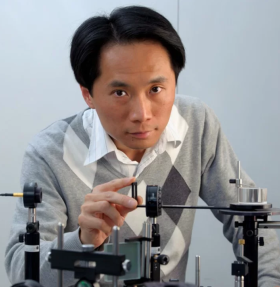
A/Prof Erwin Chan is the leader of the Electrical and Electronic Engineering stream and the recipient of 2025 VC’s Excellence Award in HDR Supervision. He established the Photonics Laboratory in 2014 and has supervised a number of PhD students. He has authored over 185 technical publications, the majority of which are in Q1 journals, where he serves as either first or corresponding author. A/Prof Chan has received multiple recognitions, awards, and research grants, including recognition as a World’s Top 2% Scientist (2019-2025), 2024 Northern Professional Engineer of the Year award from Engineers Australia, and funding under ARC Discovery Project scheme.
Project details
Project Title: Photonic techniques for high-resolution real-time power grid condition measurement and structural monitoring
Field of Research: Electrical and Electronic Engineering
Project Summary: This project aims to improve the reliability of stand-alone power grids in the Northern Territory, where many systems operate in remote areas. Instead of relying on costly and infrequent manual inspections, the project will develop advanced fibre-optic sensors that can monitor key grid components in real time, including voltage, current, and structural condition. Using light-based sensing and microwave technology, the system can detect small changes before faults occur. The data can be accessed online, enabling faster maintenance decisions, reducing outages, and strengthening energy security and economic development in remote communities.
Skillset of the student/applicant: The student needs to demonstrate strong foundations in photonics and signal processing, with hands-on experience in optical devices, simulations, and laboratory experimentation. He/she intellectually curious, resilient, and self-motivated, capable of independent problem-solving while collaborating effectively within a research team. Strong analytical thinking, scientific writing skills, and the ability to translate theoretical concepts into practical photonic systems are essential for impactful research outcomes.
AI-Driven Digital Twin Microgrids for Remote Community Energy Resilience
(Currently Available)
Dr. Rahul Ranjeev Kumar is a Lecturer in Electrical Engineering at Charles Darwin University, Australia, bringing over 10 years of teaching experience. He previously served as Lecturer (2021–2023) and Senior Lecturer (2024–2025) in Electrical & Electronics Engineering at the University of the South Pacific before joining CDU in August 2025. He holds a PhD in Industrial Engineering from the University of Padova (Italy) and an MSc in Electrical Engineering from the University of the South Pacific, both awarded with Gold Medals for outstanding research. His research spans artificial intelligence for electrical machine diagnostics, deep learning, power electronics, renewable energy systems, and microgrid applications. Dr. Kumar has authored over 50 peer-reviewed papers in IEEE transactions and international conferences, alongside 15 book chapters with Springer and CRC Press. He serves as a reviewer for IEEE and Elsevier journals. Recognised with the Best Early Career Researcher Award (2023), he welcomes PhD/MSc candidates in AI-driven diagnostics, power electronics, and smart microgrids.
Project details
Project Title: AI-Driven Digital Twin Microgrids for Remote Community Energy Resilience
Field of Research: Electrical Engineering/Renewable Energy
Project Summary: This project pioneers an AI-driven digital twin platform to transform energy resilience in remote Australian communities. By combining physics-informed artificial intelligence, real-time forecasting, and advanced hardware-in-the-loop validation at CDU’s REMHART facility, the research will create autonomous microgrids capable of safely managing solar, battery, and diesel systems. The technology aims to reduce fuel use, extend battery life, and maintain stable power during extreme events. Supporting First Nations and remote regions, the project positions CDU at the forefront of intelligent, sustainable energy innovation for Australia and beyond.
Skillset of the student/applicant:The ideal candidate will have a strong background in Electrical Engineering, Power Systems, Mechatronics, or a related discipline, with demonstrated experience in control systems, machine learning, or power electronics. Proficiency in MATLAB/Simulink and Python is essential, with interest in reinforcement learning or AI-based optimisation highly desirable. Experience with microgrids, renewable energy systems, or hardware-in-the-loop platforms will be advantageous. The student should be analytical, self-motivated, and committed to impactful research supporting remote and sustainable energy systems.
INFORMATION TECNOLOGY PROJECTS
Quantum‑Enhanced Intrusion and Financial Fraud Detection Using Hybrid Classical–Quantum Machine Learning
(Currently Available)
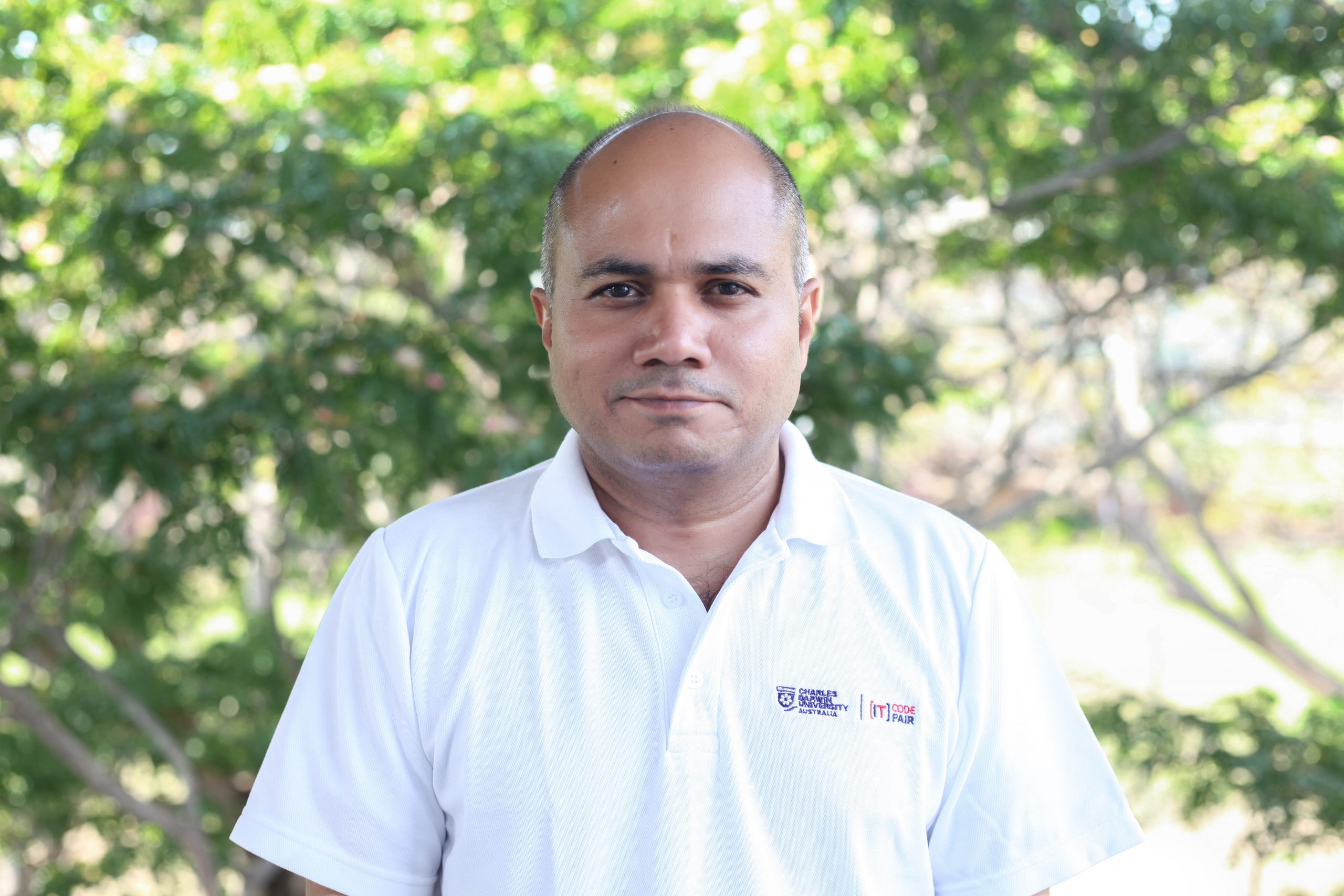
Dr Bharanidharan Shanmugam is an Associate Professor in Information Technology at Charles Darwin University, specialising in cybersecurity, intrusion detection, and digital risk management. His research focuses on protecting critical systems from emerging cyber threats, with a strong track record in security analytics, threat intelligence, and anomaly detection. As the cyber lead for this project, Dr Shanmugam brings deep expertise in designing advanced defence frameworks, while exploring quantum technologies as the next frontier in tackling complex intrusion and financial‑fraud challenges. His work aims to bridge today’s security needs with tomorrow’s quantum‑enabled innovations.
Project details
Project Title: Quantum‑Enhanced Intrusion and Financial Fraud Detection Using Hybrid Classical–Quantum Machine Learning
Field of Research: Quantum Computation
Project Summary: This project pioneers a quantum‑enhanced approach to detecting cyber intrusions and financial fraud, combining advanced machine learning with next‑generation quantum technologies. By integrating hybrid quantum–classical models with privacy‑preserving federated learning, the project aims to deliver faster, more accurate identification of emerging threats across digital and financial systems. Supported by interdisciplinary expertise in finance, cybersecurity, and quantum science, this research positions itself at the forefront of innovation, offering transformative solutions for banking, government, and critical‑infrastructure security.
Skillset of the student/applicant:The ideal applicant will possess strong competencies in cybersecurity, machine learning, and statistical modelling, with experience in Python‑based data pipelines and algorithm development. Familiarity with anomaly detection, quantum computing frameworks (e.g., Qiskit, PennyLane), or distributed systems will be highly advantageous. The candidate should demonstrate strong analytical capability, an aptitude for theoretical and experimental research, and the ability to work across cyber, financial, and quantum security domains.
Oral Translation pipelines using Augmented Intelligence (AI) for local low resourced languages
(Currently Available)
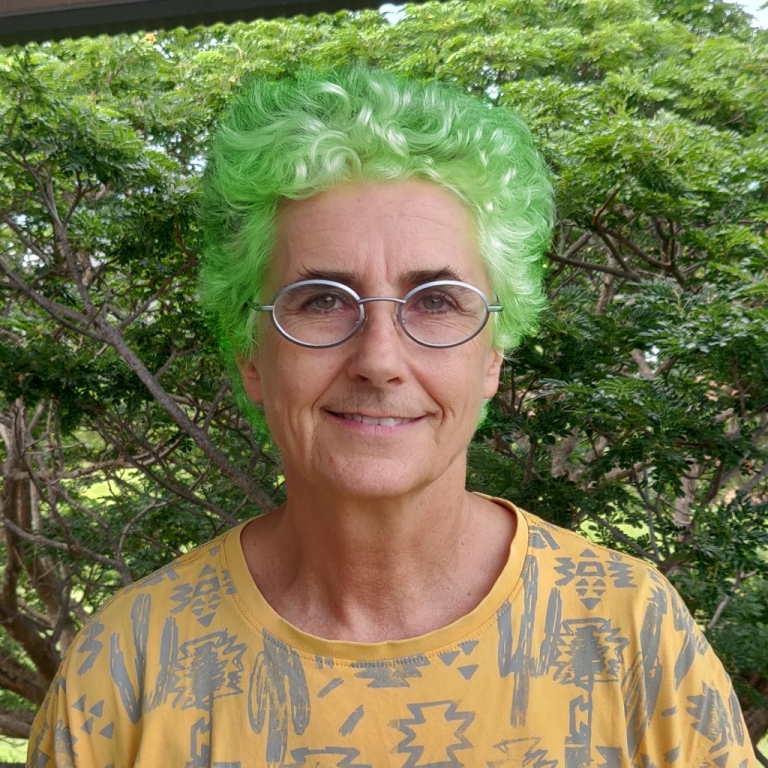
Dr Kutay works with Aboriginal communities for online language learning, story sharing and data analysis as a way for First Nations cultures and knowledges to be strengthened within community and publicly shared to contribute to engineering innovation and caring for country. She is a Software and Electrical Engineer, managing projects for online and blended learning using narrative techniques, simulations, games and multimedia to provide immersive techniques and practice-based learning. She uses Natural Language Processing with AI models seeking speech-to-speech translations with local languages to assist learning and both-way communication. She also supports Bilingual teachers in school to incorporate IT into their language work.
Project details
Project Title: Oral Translation pipelines using Augmented Intelligence (AI) for local low resourced languages
Field of Research: Artificial/Augmented Intelligence, Storytelling by First Nations, Natural Language Processing
Project Summary: This project will support First Nations communities to preserve their language utilising technology and best practice for collaborative AI development, to enhance teaching, mental health and business, and support the adaption of such tools across platforms. It will investigate the optimum models and fine-tuning methods to support translations between audio and text and between languages in oral or text format for First Nations. This work includes creating workshops to introduce and co-design AI tools to community organisations active in language and/or wellbeing work. Guided by the community, this research will collect material and share updated model with those providing their language and/or wellbeing knowledge.
Skillset of the student/applicant: The candidate will have a strong background in python programming and experience in socio-linguistics. An interest in computational linguists is desirable. It is preferred you are First Nations or have experience working with First Nations communities as the research will include preparing and delivering workshops for user information and evaluation. Experience with AI language modelling tools is desirable.
Demonstration of microbial-active protected cropping systems for tropical horticulture and Indigenous crops in the Northern Territory
(Currently Available) – Domestic Applicants Only
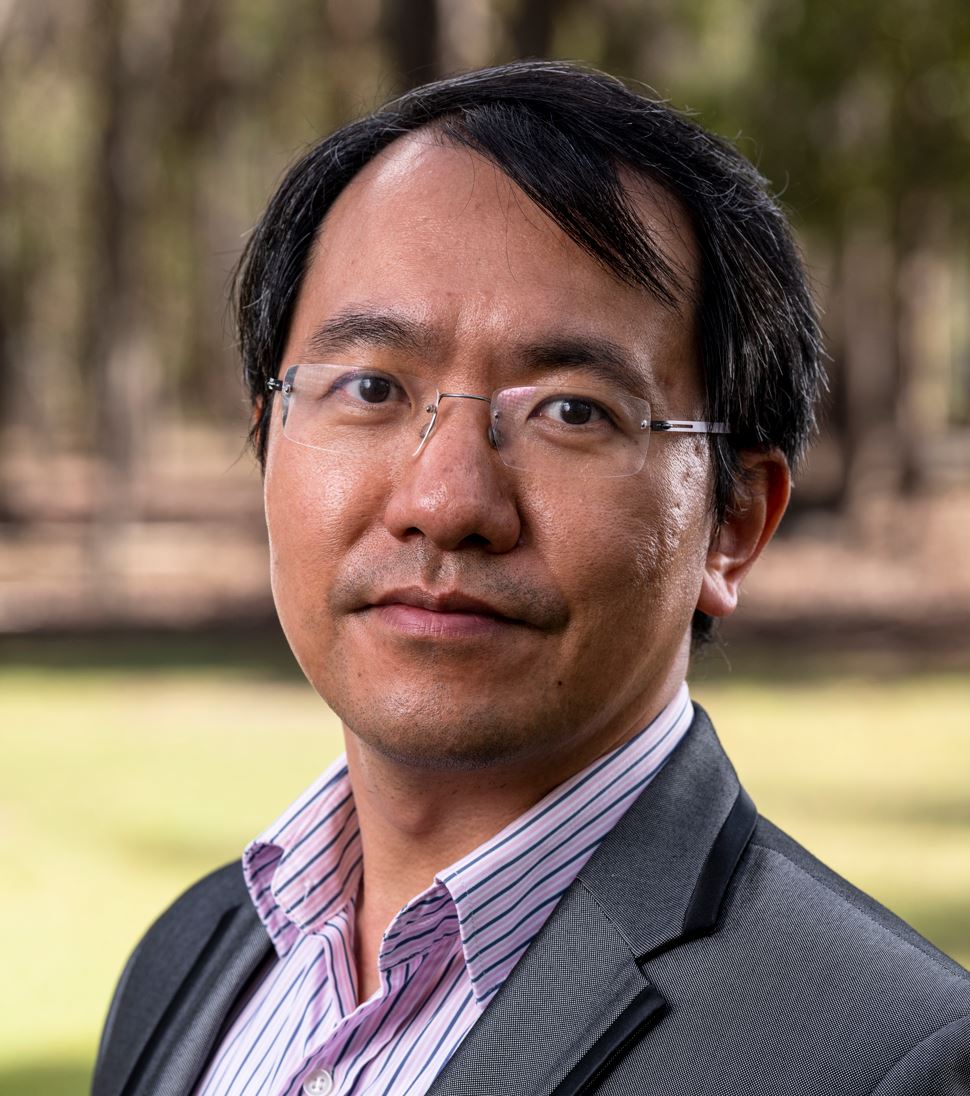
Professor Chengyuan (Stephen) Xu leads the Cropping Systems group within the Research Institute for Northern Agriculture. Integrating ecophysiology, soil science, and precision agriculture, he develops resilient cropping systems and circular-economy solutions for northern Australia. With a PhD from Columbia University, Stephen has secured over $14M in funding and manages a diverse portfolio including cotton, mushrooms, and protected cropping. As a registered HDR supervisor with an h-index of 36, he focuses on translating multidisciplinary research into regional industry growth, capability building, and practical on-farm adoption across the Top End.
Project details
Project Title: Demonstration of microbial-active protected cropping systems for tropical horticulture and Indigenous crops in the Northern Territory
Field of Research: Agriculture
Project Summary: Northern Australia faces significant challenges in producing reliable, affordable, and locally grown fresh food due to extreme climate, biosecurity pressure, and supply chain dependence on southern Australia. Novel protected cropping technologies offer a pathway to overcome these constraints by improving crop resilience, water efficiency, and productivity under tropical conditions.
This project will evaluate and demonstrate Orlar International’s microbial‑active hydroponic system, combining advanced greenhouse design, substrate technology (Orlarock), and microbial consortia to support the cultivation of both temperate leafy greens and Indigenous plant species in the Northern Territory.
The project is a collaboration between Charles Darwin University (CDU) and Orlar International, with links to Indigenous bush food enterprises and broader food system development initiatives in northern Australia. The project is funded Future Food Systems CRC.
Skillset of the student/applicant:
To be considered for this opportunity you should have:
- First Class honours (or equivalent) in a relevant discipline such as agricultural science, horticulture, soil/microbial biology, plant physiology, controlled environment agriculture, environmental science or related fields.
- Skills or the capacity to gain skills in at least one of the following fields: Hydroponics and protected cropping systems, plant physiology and crop production, microbial ecology / plant–microbe interactions, laboratory analysis (e.g. plant compounds, microbial profiling), environmental monitoring or greenhouse systems.
- Experience with protected cropping, plant-microbe interactions, or indigenous bush food are highly desirable
- Strong motivation to work in an industry-linked, applied research project
- Demonstrated ability or willingness to: work effectively in a collaborative research team environment, engage with industry partners and multidisciplinary stakeholders, contribute to shared experimental design, data collection, and reporting, contribute to project reporting.
- Be willing to conduct greenhouse and experimental work in tropical conditions.
- Be willing to live and work in Darwin.
- Be able to enrol by semester 1, 2027.
Linking rainfall variability, groundwater lag dynamics and riparian water use in the Beetaloo Basin
(Currently Available)
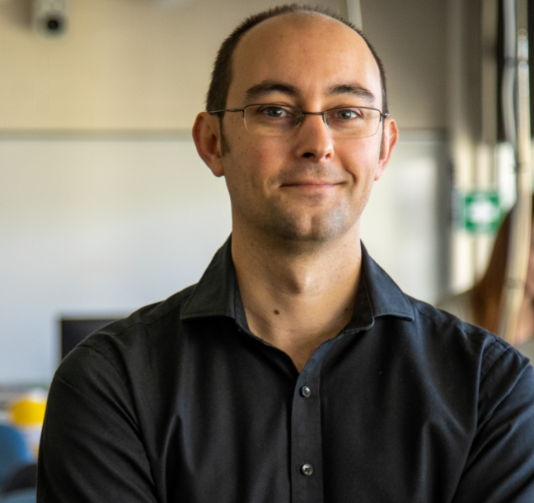
A/Prof Dylan Irvine is a groundwater scientist based at Charles Darwin University, specialising in groundwater–surface water interactions, hydrological modelling, and time-series analysis. His research integrates field observations, big data approaches, and process-based modelling to improve understanding of water systems. Working collaboratively across disciplines, his research focuses on translating complex hydrological dynamics into insights that support sustainable water management. He is committed to open science, data accessibility, and developing tools that enhance reproducibility to support decision-making and management.
Project details
Project Title: Linking rainfall variability, groundwater lag dynamics and riparian water use in the Beetaloo Basin
Field of Research: Groundwater Hydrology
Project Summary: This PhD project will develop and apply innovative time-series modelling methods to quantify coupled rainfall–groundwater–stream dynamics in the Beetaloo Basin, Northern Territory. Using multi-decadal groundwater records, high-frequency environmental sensor data and climate datasets, the research will quantify lags between rainfall and groundwater responses, disentangle climate and pumping effects, and quantify riparian evapotranspiration rates. The project will deliver new datasets, transferable analytical tools and system-scale insights to strengthen water resource assessments and management in northern Australia.
Skillset of the student/applicant: This project is suited to a quantitatively strong scientist or engineer with expertise in hydrogeology, hydrology, environmental engineering or related disciplines. Applicants should demonstrate experience in coding (preferably Python or R), and confidence working with time-series data and statistical/ numerical modelling. A solid understanding of groundwater and/ or surface water processes is essential. The ideal candidate will be motivated to apply analytical skills to complex karstic systems, contributing to improving the understanding and sustainable management of water resources in northern Australia.
Developing indigenous-specific ecosystem services metrics and tools for nature-based economies in Northern Australia
(Currently Available)
Kamaljit K Sangha works as a Professor of Ecological Economics at Charles Darwin University, Darwin. Her work mainly focuses on the Science-Policy interface. She has been working with Indigenous communities across northern Australia, especially on linking ecosystem services to people’s well-being and informing policy. Her research includes developing nature-based economies, assessing the value of ecosystem services and managing natural resources. She has been involved in several UN-led initiatives, including the Team Leader for an upcoming FAO–High Level Panel of Experts (on Food Security and Nutrition) for a global report on Indigenous Peoples’ food and knowledge systems, lead author of the Nexus IPBES Assessment, Geo-7 UNEP Report, and Co-Chair of the IUCN-CEESP led Local Economies, Communities and Nature Specialist Group.
Project details
Project Title: Developing indigenous-specific ecosystem services metrics and tools for nature-based economies in Northern Australia
Field of Research: Ecological Economics
Project Summary: This project will build upon our current ARC Discovery research, where we explored nature-based economic opportunities. In recent years, there has been a greater emphasis by the Australian Government on the Nature Repair market. During the project, we developed the first-of-its-kind, ground-up nature-based economies framework, in collaboration with Indigenous peoples/Traditional Owners from across the north. This framework offers a list of ecological and socio-cultural indicators that can be used to assess ecosystems (Country in Indigenous ways of thinking) and people’s connections with their Country. However, to progress and achieve practical outcomes and impact from this research, we need to develop the metrics and tools for the identified indicators, which can then help landowners/managers build their own toolkit to participate in the Nature Repair Market. The research will enable Indigenous land managers and owners to also talk directly with investors who want to invest in looking after the Country. Currently, there is no such metric or toolkit that suits Indigenous land managers/owners. This research will empower Indigenous groups to understand their Country and to participate effectively and actively in a fast-emerging Nature Repair Market.
Skillset of the student/applicant: Preferably a student with research experience in the field of Ecosystem Services, Ecological Economics or willingness to learn in those areas
Multi-Modal Monitoring of Groundwater-Dependent Birds: eDNA and Acoustic AI Integration
(Currently Available)
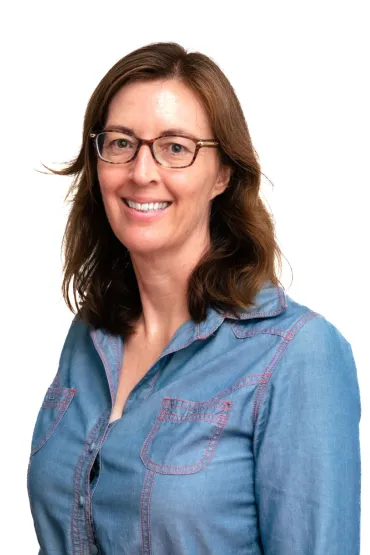
Maxine Piggott is Professor of Tropical Biosecurity at Charles Darwin University and Program Leader of the Research Institute for Northern Agriculture (RINA). She is a genomics and environmental DNA (eDNA) research leader developing practical tools for biosecurity, biodiversity monitoring, and sustainable agriculture across Northern Australia. Her work spans aquatic and terrestrial systems and supports government, industry, and Indigenous partners. A former NT Government and CSIRO scientist and ARC College of Experts member, Maxine is committed to building regional research capability and training future scientists.
Project details
Project Title: Multi-Modal Monitoring of Groundwater-Dependent Birds: eDNA and Acoustic AI Integration
Field of Research: Molecular Ecology/Ecology/AI
Project Summary: This PhD will develop an interdisciplinary framework to monitor groundwater-dependent birds in the Beetaloo Sub-basin by integrating water-derived eDNA metabarcoding, autonomous acoustic monitoring and AI-based species classification. Birds are key indicators of riparian and groundwater-dependent ecosystem health, yet molecular approaches remain underexplored for avian detection. By directly comparing detection probabilities, biases and cost-effectiveness across methods, the project will identify when each tool performs best and how they can be combined. The outcome will be a scalable, evidence-based monitoring framework to support biodiversity assessment and long-term environmental management in Northern Australia.
Skillset of the student/applicant:This project is suited to a highly motivated student with a background in ecology, molecular biology, genetics, environmental science, or IT. The ideal candidate will have strong analytical skills, experience (or interest) in molecular techniques and bioinformatics, and an enthusiasm for fieldwork in remote environments. An interest in integrating biological and AI for applied environmental management will be highly advantageous.
Detecting and quantifying methane emissions from a heterogeneous landscape using satellites and AI technologies
(Currently Available)
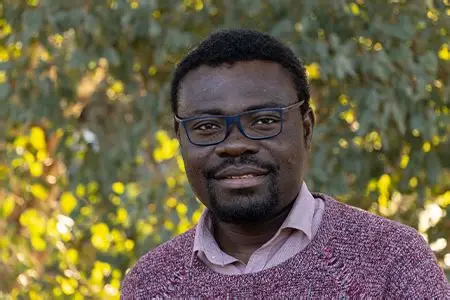
Richard is an Earth Observation Scientist with research interests in terrestrial vegetation monitoring at landscape scales. Richard leverages optical, SAR, and LiDAR data, along with AI methods, for research on water-dependent ecosystems, pasture biomass, land surface phenology, and GHG accounting. Richard is a Chief Investigator on the national Innovative Biodiversity Monitoring Program, collaborating with Indigenous organisations in the Kimberley region to assess changes in vegetation structure using LiDAR and SAR data. He also leads the water-dependent vegetation and methane monitoring program at the Beetaloo region in the Northern Territory.
Project details
Project Title: Detecting and quantifying methane emissions from a heterogeneous landscape using satellites and AI technologies
Field of Research: Environmental management not elsewhere classified
Project Summary: Methane is the second-largest contributor to global warming, and anthropogenic sources are elevating atmospheric concentrations. Oil and gas development in the Beetaloo region of the Northern Territory of Australia will increase social and economic growth. However, it may also elevate methane levels, requiring a monitoring program. This project will leverage satellite imagery and deep learning methods to detect methane plumes and quantify emission rates. The anticipated outcomes include the development of a methane monitoring tool that provides accurate detection rates and estimates at varied spatial and temporal scales. This project will feed into the NTG-CDU regional monitoring program for the Beetaloo region, supporting the myriad stakeholders in the area.
Skillset of the student/applicant: Completed a bachelor’s degree in remote sensing, micrometeorology, physics, computer science, data science, software engineering, or similar, experience working with satellite imagery and applying deep learning methods, experience working collaboratively in a team and independently to achieve set goals, strong computer programming skills, e.g., using Python libraries for Earth observation data analysis, neural networks, and developing image processing pipelines, excellent communication skills demonstrated through writing high-quality technical reports and academic publications, Ability to operate drones and/or experience with field surveys
