
Available projects
Many of these PhD projects may be eligible for the various scholarship opportunities offered by CDU.
Business & Law:
- Developing an Artificial Intelligence-Driven Sharing Economy Ecosystem for Sustainable Fashion– Dr. Bhanu Bhatia
- Teaching & Learning Sustainability Leadership and Management– Dr. Chrystie Watson
- Indigenous Leadership Philosophies and Practices– Dr. Chrystie Watson
- Double Energy Vulnerability: Measurement, Determinants, and Structural Differences Between Advanced and Developing Economies– Dr. Maneka Jayasinghe
- Digital Financial Integration, Regulatory Quality, and Systemic Risk Transmission in Indo-Pacific Equity Markets– Dr. Rakesh Gupta
- Doctoral Student Study Motivations and Barriers to Completion: A Mixed-Methods Investigation– Professor Steven Greenland
- Informing Sustainable Production and Consumption through Mixed-Methods Investigation– Professor Steven Greenland
- Advancing Theory and Practice in the Family–Work Conflict and Enrichment– Dr. Tianyi Long
- Issues in the operation of The Cross-Border Insolvency Act 2008: a law and economics analysis– Associate Professor Zhen Qu
Education:
- Developing a School Mathematics program in Tiwi Language– Dr Cris Edmonds-Wathen
- Navigating Innovation and Equity in STEM Education using AI-Driven Pedagogies and Innovative Teaching Strategies.– Dr Farha Sattar
- Different Models of Service Learning in Christian Schools: Their Impact on Students’ Resilience and Hope for the Future.– Dr Felicity McLure
- Stitching Agency: How Wearable‑Electronics Design Cultivates Girls’ Agency, Resilience, and STEM Interest through Futures‑Oriented Discourse– Dr Felicity McLure
- Technical Design of a Reference Framework for Safe, Ethical, and Responsible Uses of Generative AI in Teacher Education– Dr Jon Mason
- Well-being, Agency & Competency Development in Generative AI-Mediated Immersive Learning Environments: A Capabilities Perspective from Bhutanese Science Teacher Education– Dr Jon Mason
- Designing peacemaking programs with First Nations languages and communities – James Bednall
Humanities & Arts:
- Climate Crisis and Disaster Reporting: Environmental Narrative Strategies in Authoritarian and Censored Media Environments– Dr. Jennifer Pinkerton
- Learning from Termites: Biomimetic Ventilation Design for Tropical Buildings– Professor Lindy Burton
- Ventilation Strategy Selection for Mould Prevention in Tropical Buildings– Professor Lindy Burton
- Psychosocially Supportive Design: Enhancing Patient Wellbeing in Integrated Indoor–Outdoor Healthcare Waiting Spaces at RDH– Professor Lindy Burton
- Social and Political Dimensions of 1960s Indonesian Jazz Music– Associate Professor Steven Farram
Social Sciences:
- Enhancing migrant attraction and retention in regional and remote Australia: Quantitative evidence for policy design– Dr. Andrew Taylor
- Cross cultural evaluations of Country in the Warddeken Indigenous Protected Area– Dr Cara Penton
- How Indigenous governance principles are interpreted, negotiated, and operationalised within university quality assurance systems– Professor Ruth Wallace
- Safeguarding Australia’s Indigenous Languages in the AI Era– Professor Steven Bird
Business Projects
Developing an Artificial Intelligence-Driven Sharing Economy Ecosystem for Sustainable Fashion
(Currently Available)
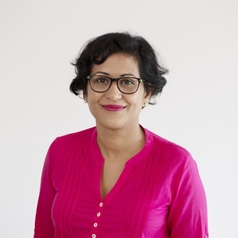
Dr Bhanu Bhatia is a Lecturer in the College of Business and Law specializing in Economics. She holds a PhD in Economics from Macquarie University and Economic (Honours) from Adelaide University. Her research focuses on topics such as inequality, social justice, social networks, gender and sustainability. Her work is trans disciplinary and her research incorporates network analysis, econometrics and qualitative techniques.
Project details
Title: Developing an Artificial Intelligence-Driven Sharing Economy Ecosystem for Sustainable Fashion
Field of Research: Marketing
Project Summary: This project investigates the development of an AI-enabled fashion-sharing ecosystem to enhance value co-creation (VCC), sustainability, and economic viability within the sharing economy. While transport and accommodation sectors dominate existing research, fashion-sharing platforms remain underexplored despite their potential to support circular economy goals and reduce waste. Grounded in service-dominant logic, the study proposes a multi-phase research plan to identify ecosystem actors, develop a dynamic valuation model, and integrate artificial intelligence to optimize resource integration and platform governance. The project aims to advance theory and practice by delivering an evidence-based framework that balances stakeholder value, improves sustainability outcomes, and supports scalable and resilient fashion-sharing business models.
Skillset of the student/applicant: Student with background in econometrics methods and sustainability research are appropriate for this project.
Teaching & Learning Sustainability Leadership and Management
&
Indigenous Leadership Philosophies and Practices
(Currently Available)
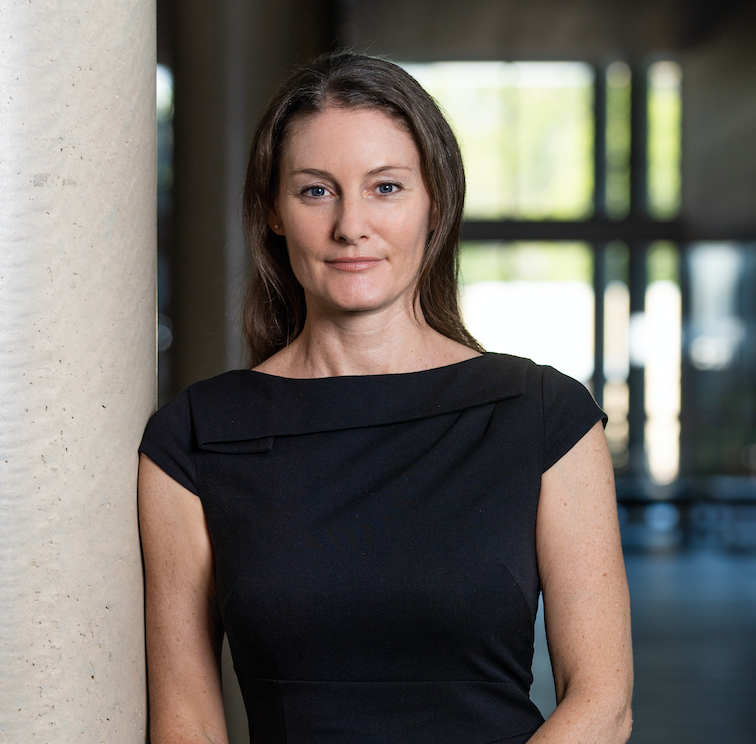
Dr Chrystie Watson is a Lecturer in Sustainability Leadership and Management. Dr Watson has extensive experience in high level management, board and entrepreneurial activities. Chrystie leads research on the philosophical foundations of leadership in complex social-ecological systems, including contemporary Stoic leadership and ethics and First Nations leadership philosophies; collaborating nationally and internationally to publish on these topics.
As the leader of the Seven Summits Sustainability Project (SSSP), Chrystie is exploring the impacts of mountaineering on the Seven Summit regions from economic, environmental and social (EES) perspectives while climbing the highest peaks on each continent to collect observational and experiential data. The multidisciplinary SSSP research team is studying mountaineer environmental psychology and sustainability best practices in partnership with industry.
Project details
Title: Teaching & Learning Sustainability Leadership and Management
Field of Research: Business
Project Summary: This project explores the learning experiences and progression of business students in tertiary programs focused on sustainability. Sustainability is a wide ranging and complex topic area with many contextual applications. In tertiary business programs, students must reflect on and explore different perspectives and practices which may or may not support sustainability agendas. Shared learning environments and experiences provide valuable learning opportunities for students as various perspectives are considered. The research undertaken through this project contributes a better understanding of the learning processes and experiences of tertiary students as they study sustainability in business contexts.
Skillset of the student/applicant: The ideal student to undertake research in this project will have strong research design, writing, data collection and analysis skills and experience. Prospective students with interests in teaching and learning pedagogies and assessment design will be considered. Students considering a career in education would be well suited to this research project.
Project details
Title: Indigenous Leadership Philosophies and Practices
Field of Research: Business
Project Summary: This project builds on research commenced by the research team exploring leadership philosophies of Indigenous people from around the world. The project provides opportunities to expand our knowledge and understandings of Indigenous perspectives and practices of leadership in a range of contexts, from within and outside of Australia. How Indigenous leadership philosophies translate to practices enacted within senior roles, community responsibilities, environmental stewardship and business requires further inquiry and engagement with Indigenous leaders holding these positions in their respective societies.
Skillset of the student/applicant: This research project is suited to persons identifying as Indigenous and/or with relevant associated experience working with or connections to Indigenous people or communities, due to the specific focus on and requirement to engage in situ with Indigenous leadership practices. Prospective students require strong research experience or complementary skills and experiences to undertake research with Indigenous people in relevant organisations, businesses and/or communities.
Double Energy Vulnerability: Measurement, Determinants, and Structural Differences Between Advanced and Developing Economies
(Currently Available)

Maneka is an Applied Economist and her research centres on critical issues such as gender, poverty, inequality, and wellbeing, particularly within the Asia Pacific Region. Over her 10-year career in academia, she has published three books and over 50 research outputs in high-quality, internationally recognized peer-reviewed journals. She has also presented her work at numerous national and international conferences.
Project details
Title: Double Energy Vulnerability: Measurement, Determinants, and Structural Differences Between Advanced and Developing Economies
Field of Research: Applied economics
Project Summary: Double energy vulnerability refers to households simultaneously facing domestic and transport-related energy poverty. Empirical evidence on this dual burden is scarce, and existing indicators and policy frameworks are fragmented. Current measurements rely mainly on expenditure and accessibility metrics rather than household affordability, potentially underestimating cumulative energy stress. Research is largely confined to developed countries, with little to no evidence from developing contexts. Moreover, high-income country indicators are not directly transferable to developing settings, creating a major gap in energy economics and development policy. This project will develop a comparative framework to measure and analyse double energy vulnerability across developed and developing countries.
Student/Applicant skill-set requirement: Candidate should have high-level quantitative analysis and reporting skills with experience in analysis of large datasets and quantitative econometric methods. Familiarity with STATA is preferable.
Digital Financial Integration, Regulatory Quality, and Systemic Risk Transmission in Indo-Pacific Equity Markets
(Currently available)
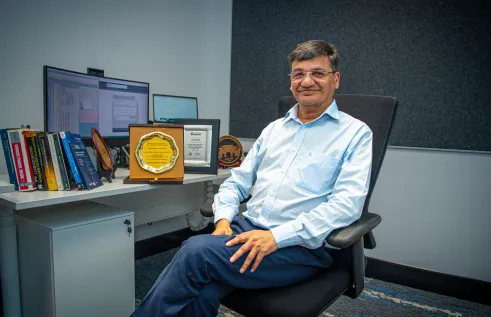
Dr Rakesh Gupta is an Associate Professor of Accounting and Finance at Charles Darwin University. His research examines global financial integration, regulatory quality, digital finance, ESG, and systemic risk transmission across G20 and Indo-Pacific markets. He has published extensively in leading international journals and has secured competitive research funding. Dr Gupta has successfully supervised 10 PhD candidates to completion and currently supervises multiple HDR students. His work integrates advanced econometric modelling with policy-relevant analysis, contributing to debates on market resilience, sustainability, and global power dynamics.
Project details
Title: Digital Financial Integration, Regulatory Quality, and Systemic Risk Transmission in Indo-Pacific Equity Markets
Field of Research: Banking, Finance and Investment
Project Summary: This PhD project examines how digital financial development and regulatory quality shape equity market integration and systemic risk transmission across Indo-Pacific economies. Moving beyond pairwise correlations, the study conceptualises integration as a system-level phenomenon driven by digital connectivity, fintech penetration, and institutional architecture. Using multivariate econometric modelling, dynamic spillover analysis, and composite digital finance indices, the project will identify whether digitalisation amplifies or stabilises cross-market co-movements during global shocks. The research will generate policy-relevant insights for central banks and regulators seeking to balance financial innovation, regional integration, and systemic resilience in rapidly transforming emerging markets.
Student/Applicant skill-set requirement: This project seeks a highly motivated candidate with strong quantitative skills and prior training in finance, economics, econometrics, or a related discipline. The ideal student will demonstrate proficiency in statistical software (e.g., Stata, R, or Python), experience working with large panel datasets, and an interest in financial markets and digital transformation. A background in international finance, financial econometrics, or applied macro-finance is desirable. The candidate should show capacity for independent research and high-quality academic writing.
Doctoral Student Study Motivations and Barriers to Completion: A Mixed-Methods Investigation
&
Informing Sustainable Production and Consumption through Mixed-Methods Investigation
(Currently Available)

Steven Greenland is Professor of Marketing in the Faculty of Arts and Society and Dean of Graduate Studies at Charles Darwin University, supporting around 500 HDR candidates and 350 supervisors. His research interests include international business strategy, sustainability and social responsibility, education, and irresponsible marketing. With over 10 years in senior international market research roles and 20+ years in academia, he brings a strong industry–academic perspective. He has led major international projects, published widely, and supervises PhD research aligned with the UN Sustainable Development Goals.
Project details
Project Title: Doctoral Student Study Motivations and Barriers to Completion: A Mixed-Methods Investigation
Field of Research: Commerce, Management, Tourism and Services
Project Summary: This research examines PhD students’ study motivations and retention barriers. Using a mixed-methods design, qualitative insights will inform quantitative modelling of doctoral study motivation and completion pathways. The research will develop new conceptual frameworks linking motivation and attrition in the Higher Degree by Research context. Findings will inform university HDR marketing and retention strategies and produce high-quality and impactful Q1 journal outputs.
NB: Please note that this project is only eligible for full-fee scholarship where the student can be supported by an externally funded stipend.
Skillset of the student/applicant: In addition to meeting CDU’s PhD entry requirements, the ideal candidate will demonstrate strong primary data collection skills, with experience in qualitative and/or quantitative research methods. Practical research experience in management, marketing, or education is also essential.
Project details
Project Title: Informing Sustainable Production and Consumption through Mixed-Methods Investigation
Field of Research: Commerce, Management, Tourism and Services
Project Summary: This research investigates irresponsible organisational practices that undermine SDG 12: Responsible Consumption and Production. Using a mixed-methods approach, including sustainability report analysis, interviews, and surveys, it examines marketing, reporting, and production practices that mislead consumers and hinder sustainable outcomes. The project will develop frameworks to promote responsible business practices and informed regulation, advancing sustainable production and consumption. Outputs will target leading Q1 business and sustainability journals, with direct impact on organisational accountability and SDG 12 implementation.
NB: Please note that this project is only eligible for full-fee scholarship where the student can be supported by an externally funded stipend.
Skillset of the student/applicant: In addition to meeting CDU’s PhD entry requirements, the ideal candidate will demonstrate strong primary data collection skills, with experience in qualitative and/or quantitative research methods. They will have a strong interest in sustainability and social responsibility, as well as practical research experience in business, management, or marketing.
Advancing Theory and Practice in the Family–Work Conflict and Enrichment
(Currently Available)

Tianyi is a Senior Lecturer (Research Active) at FAS, CDU. Tianyi has published his research in high-tier (ABDC-A*/A and ABS4*/4) journals, including 8 ABDC-A* ranked and 9 A-ranked publications. Tianyi currently serves as Associate Editor for Applied Psychology: An International Review (ABDC-A, ABS3, Top10% Q1) and Human Resource Development Quarterly (ABDC-A, Q1), and Editorial Board Member for Journal of Management and Organization (ABDC-A, Q1).
Project details
Title: Advancing Theory and Practice in the Family–Work Conflict and Enrichment
Field of Research: Human Resource Management
Project Summary: This project investigates how employees navigate family–work challenges and major life transitions, such as divorce and caregiving changes, and how organisations can better support them. While family demands increasingly shape workforce participation and well-being, we know little about the psychological and organisational mechanisms that enable successful adaptation. By integrating insights from human resource management, this research identifies evidence-based strategies for fostering inclusive, supportive workplaces. The findings will inform HR policy, leadership practice, and employee well-being initiatives, contributing to more resilient individuals and sustainable organisations in an era of evolving work–family dynamics.
Student/Applicant skill-set requirement: We look for students having both academic and industry backgrounds in business and management studies, who are also interested in advancing the field of knowledge in the family-work interface.
Issues in the operation of The Cross-Border Insolvency Act 2008: a law and economics analysis
(Currently Available)
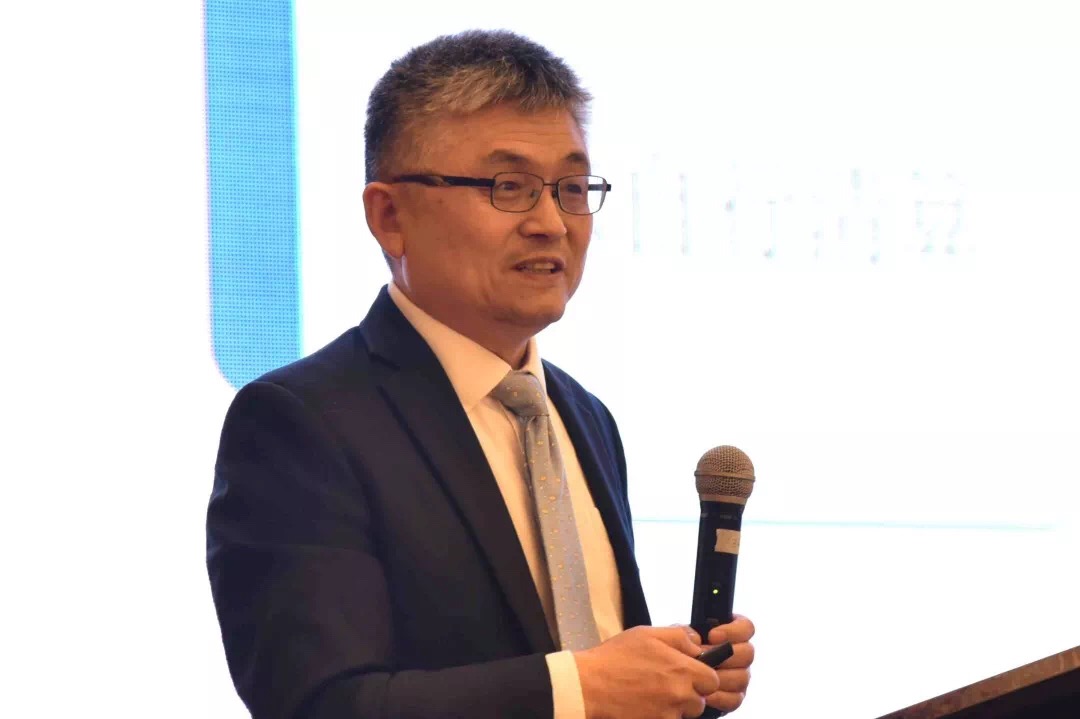
Associate Professor Zhen Qu is an experienced researcher in the areas of, among other things, corporate law and corporate insolvency. He has co-authored a leading treatise on Hong Kong corporate law and has published in internationally respected refereed journals in the areas of his research. His publications have been cited in academic publications, government reports, and court decisions. He welcomes applicants who wish to conduct research in corporate law, corporate insolvency law including cross-border insolvency, contracts, or topics in equity and trusts.
Project details
Title: Issues in the operation of The Cross-Border Insolvency Act 2008: a law and economics analysis
Field of Research: International insolvency, private international law, law and economics
Project Summary: This project aims at finding the most efficient options for resolving a number of issues arising from multinational insolvencies. Corporate insolvencies will have an international aspect where the company has operations, creditors, or assets in jurisdictions outside of its ‘home State’. Issues that may arise from this context include the ways in which judges’ statutory jurisdiction to wind up foreign companies should be exercised, the effect of a winding-up order against a foreign corporate debtor in the company’s home State; the effect of the discharge of a loan through a legal procedure where the debt is governed by the law of a foreign country, and the rules for determining a company’s home State. The analysis will be conducted with, among other things, the law and economics method.
Student/Applicant skill-set requirement: The candidate should have at least an LLB (second class Honour upper division or better) and a good Honour’s degree in law or an MPhil (Law) or LLM with research components. Candidates with an LLB/BCom (Economics) are preferable.
Education Projects
Developing a School Mathematics program in Tiwi Language
(Currently Available)

Dr Cris Edmonds-Wathen is a mathematics education researcher at Charles Darwin University and a leader of the Mathematics in Indigenous Languages (MiIL) program. Her research focuses on the relationship between language and mathematics learning, particularly in multilingual and Indigenous contexts. She works collaboratively with remote schools and communities to develop first-language mathematics programs that strengthen conceptual understanding and educational equity. Dr Edmonds-Wathen has published widely in mathematics education and applied linguistics and has extensive experience leading community-engaged research projects.
Project details
Title: Developing a School Mathematics program in Tiwi Language
Field of Research: Indigenous education and Indigenous language
Project Summary: This PhD project, part of the Mathematics in Indigenous Languages (MiIL) program, partners with Murrupurtiyanuwu Catholic Primary School to develop a school-based mathematics program in Tiwi. Working collaboratively with teachers and community members, the research will document Tiwi language relevant to early mathematics and co-design curriculum-aligned teaching resources. Through classroom trials and analysis, the project investigates how first-language mathematics instruction strengthens participation and conceptual understanding. It will produce practical teaching materials, professional learning, and research publications, contributing to educational equity and Indigenous language revitalisation.
Student/Applicant skill-set requirement: The ideal candidate will have a strong background in mathematics education, linguistics, or a related field, with demonstrated interest in Indigenous education and community-engaged research. Experience in qualitative research, classroom-based inquiry, or language documentation will be highly regarded. The applicant should be collaborative, culturally responsive, and willing to work closely with teachers and community members in remote contexts. Strong analytical writing skills and the capacity for independent doctoral research are essential.
Navigating Innovation and Equity in STEM Education using AI-Driven Pedagogies and Innovative Teaching Strategies.
(Currently Available)
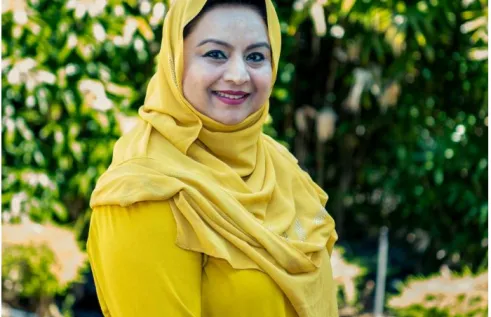
Dr Farha Sattar is a Lecturer in Education (Mathematics) at the Faculty of Arts and Society. With an exceptional background in mathematics, and geospatial science and a passion for advancing STEM education, Dr. Sattar’s expertise spans various disciplines, including mathematics and geoscience education, STEM education, cognitive development, experiential learning, inquiry-based learning, drone technology, GIS and remote sensing. As a certified Drone Pilot and Aeronautical Radio Operator, she integrates technology with innovative pedagogy. Her strength in quantitative methodologies supports high-quality postgraduate supervision, and she continually adopts novel approaches to enhance teaching and learning.
Project details
Title: Navigating Innovation and Equity in STEM Education using AI-Driven Pedagogies and Innovative Teaching Strategies
Field of Research: Education
Project Summary: The project investigates examines how innovative, skill-focused pedagogies integrated with AI and immersive technologies can transform STEM learning. Grounded in constructivism and 21st-century skills, the study uses a mixed-methods and design-based approach to evaluate AI tutors, AR/VR simulations, project-based learning, and collaborative technologies. It investigates impacts on higher-order skills, teacher practices, and equitable participation among diverse learners. The project aims to develop evidence-based frameworks that align technological innovation with inclusive, skill-driven STEM education, informing policy, teacher preparation, and scalable classroom practice
Student/Applicant skill-set requirement: A student who has background in STEM or relevant field with an experience of Maths and Science teaching at secondary level. The student must have a good knowledge of educational technologies.
Different Models of Service Learning in Christian Schools: Their Impact on Students’ Resilience and Hope for the Future
&
Stitching Agency: How Wearable‑Electronics Design Cultivates Girls’ Agency, Resilience, and STEM Interest through Futures‑Oriented Discourse
(Currently Available)
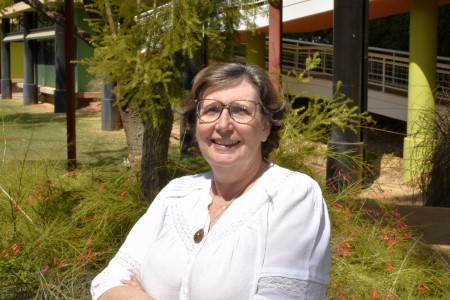
Dr Felicity McLure is an Associate Professor in Education at Charles Darwin University, specialising in STEM education, conceptual change, learning environments, and the emotional climate of classrooms. Her research spans integrated STEM projects, gender participation in STEM, student‑generated representations, and the wellbeing and moral identity development of students in Christian‑ethos schools. She leads multiple funded projects, collaborates with national and international research teams, and has an extensive publication record in top‑quartile journals. Dr McLure supervises HDR candidates across STEM education, school climate, Christian education, and science teaching, fostering a supportive and research‑rich supervisory environment.
Project details
Title: Different Models of Service Learning in Christian Schools: Their Impact on Students’ Resilience and Hope for the Future
Field of Research: Secondary education (Learning Environment Research)
Project Summary: This project investigates how different models of service learning in Christian schools influence students’ resilience and hope for the future. Prior research shows that practical service is a powerful predictor of both resilience and hope, enabling students to develop agency, engage with real‑world problems, and envision positive future outcomes. Service learning also strengthens moral identity and fosters persistence in addressing complex social issues, further enhancing hopefulness. Through mixed‑methods analysis, this study will compare service‑learning approaches across school contexts to identify which practices most effectively support adolescent wellbeing and flourishing within Christian educational environments.
Student/Applicant skill-set requirement: We seek a motivated HDR candidate with strong analytical skills, curiosity about educational improvement, and a commitment to understanding student wellbeing. The ideal student will have experience or interest in mixed‑methods research, quantitative analysis (e.g., SEM), and qualitative engagement with schools. They should be organised, reflective, and capable of building respectful partnerships with Christian school communities. A background in education, psychology, sociology, or a related field will support success in this project.
Project details
Title: Stitching Agency: How Wearable‑Electronics Design Cultivates Girls’ Agency, Resilience, and STEM Interest through Futures‑Oriented Discourse
Field of Research: STEM Education
Project Summary: This research explores how wearable‑electronics design projects can ignite girls’ agency, resilience, and interest in STEM. Using real classroom recordings and interviews, the study uncovers how girls plan, problem‑solve, and persist through challenges while bringing creative tech ideas to life. By analysing their discourse and perspectives, the project identifies what helps girls feel confident, capable, and motivated in hands‑on STEM environments. The findings will guide educators in designing empowering, girl‑centred STEM learning experiences that build future‑ready skills and sustained engagement.
Student/Applicant skill-set requirement: The ideal candidate brings strong qualitative research skills, especially in discourse or interaction analysis, and a keen interest in gender equity in STEM. They should be comfortable working with video/audio data, open‑ended design contexts, and iterative coding processes. Curiosity, reflexivity, and the ability to engage thoughtfully with theory–practice relationships are essential, along with a collaborative mindset and persistence in tackling complex data.
Technical Design of a Reference Framework for Safe, Ethical, and Responsible Uses of Generative AI in Teacher Education
&
Well-being, Agency & Competency Development in Generative AI-Mediated Immersive Learning Environments: A Capabilities Perspective from Bhutanese Science Teacher Education
(Currently Available)
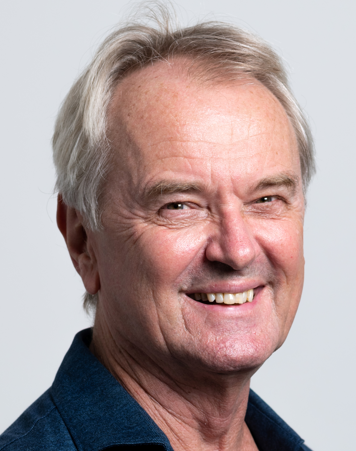
Dr Jon Mason has longstanding expertise in the integration of digital technology in education. In 1998, he directed development of the first database-driven portal in the Australian Education sector. Currently, he chairs ISO/IEC JTC1/SC36 – the peak international IT standardization body in the world. In 2012 he was appointed as Director of e-Learning for the Centre for School Leadership at CDU and since then has led research in the field of Educational Technology at CDU. His interests are at the frontiers of digital technology innovation with a particular interest in question formulation, sense-making, artificial intelligence, and the role of wisdom in education.
Project details
Title: Technical Design of a Reference Framework for Safe, Ethical, and Responsible Uses of Generative AI in Teacher Education
Field of Research: Educational Technology
Project Summary: With a spotlight on Generative AI practices in Teacher Education, this project is focused on specifying and co-designing a technical reference framework supporting international IT standardization. For teachers and teacher educators, this framework will underpin safe, ethical, and responsible uses of Generative AI and related educational technologies. The research will be informed by regulatory guidelines & two dominant narratives in public discourse where (1) foregrounds that technology is “just a tool” to gain mastery over; and (2) has deep concern for humanity, human agency & wellbeing in a rapidly evolving, data-rich, intelligent environment.
Student/Applicant skill-set requirement: I am looking for several students, if possible – domestic or international. They will need to be passionate about AI and Education. They will bring some solid technical expertise to the table. I wish to leverage my deep expertise in international IT standards development & work closely with my HDR students on areas that will assist the development of IT infrastructure that supports learning, education, & training.
Project details
Title: Well-being, Agency & Competency Development in Generative AI-Mediated Immersive Learning Environments: A Capabilities Perspective from Bhutanese Science Teacher Education
Field of Research:Education
Project Summary: This study investigates how GenAI-mediated immersive learning environments influence well-being, agency, and competency development among pre-service science teachers in Bhutan. Guided by a ‘capabilities perspective’, it positions teacher agency & professional growth beyond technological mastery & productivity, focusing instead on human flourishing within AI-enabled education. The research examines how interaction with GenAI shapes pedagogical confidence, professional identity, and perceived agency, while identifying contextual enablers and constraints influencing capability expansion in Bhutanese tertiary education. The study aims to inform institutional policy, AI literacy initiatives, and digital transformation strategies within Bhutan’s teacher education system, while offering globally relevant insights into responsible and sustainable adoption of GenAI in higher education.
Student/Applicant skill-set requirement: I am looking for several students, if possible – domestic or international. They will need to be passionate about AI and Education. They will bring some solid technical expertise to the table. I wish to leverage my deep expertise in international IT standards development & work closely with my HDR students on areas that will assist the development of IT infrastructure that supports learning, education, & training.
Designing peacemaking programs with First Nations languages and communities
(Currently Available)

Dr James Bednall is a Senior Lecturer in Linguistics and an ARC DECRA Research Fellow at CDU, where his research focuses on language documentation and description, and community-led language revitalisation and maintenance practices. He has expertise in community-driven linguistic and ethnographic fieldwork, qualitative data analysis, and culturally-responsive research design, founded on long-term collaborative partnerships with First Nations communities of western and northern Australia. His work in this space involves a strong emphasis on capacity building, participatory methodologies, and advocacy, in order to align with and support community-driven goals.
Project details
Title: Designing peacemaking programs with First Nations languages and communities
Field of Research:Linguistics, First Nations languages, Peace and conflict studies
Project Summary: This project investigates peacemaking processes in First Nations communities, and the language practices that underpin them. Working in collaboration with Peacemaker and Community Justice Groups, the project examines traditional and contemporary peacemaking practices, focusing on how they are being sustained and adapted in contemporary community-based settings, and analysing key linguistics practices involved in the highly interactional contexts of peacemaking communication. The PhD candidate will be provided with a supportive research environment, as part of an ARC DECRA research project (DE260101529), including funding for fieldwork and conferences.
Student/Applicant skill-set requirement:The ideal candidate is a First Nations person, or someone with experience working in First Nations language contexts. They should have a background in a linguistics and/or legal-aligned field (including e.g. language revitalisation and maintenance, language documentation, discourse analysis, conversation analysis, restorative justice, community-led justice), and show a demonstrated interest in collaborative, community-based research.
Humanities & Arts Projects
Climate Crisis and Disaster Reporting: Environmental Narrative Strategies in Authoritarian and Censored Media Environments
(Currently Available)

Jennifer Pinkerton is a journalist/author with a background in longform, feature and non-fiction writing. She writes for national newspapers and publications, and in 2022 authored Heartland (Allen & Unwin). Her recent reportage covers the environment and climate change.
Jennifer holds a Doctor of Creative Arts (journalism/non-fiction) from the University of Technology Sydney. Her academic research aspires to enhance the ways journalism connects with audiences, as well as journalism’s capacity to enable informed decision-making and present solutions to social and environmental problems – particularly those related to global heating and climate change.
Project details
Title: Climate Crisis and Disaster Reporting: Environmental Narrative Strategies in Authoritarian and Censored Media Environments
Field of Research: Journalism
Project Summary: This project examines how Iranian journalists and citizen reporters construct emotionally resonant and solutions-oriented narratives in response to environmental repression, using Lake Urmia as a focal point. Drawing on constructive journalism and narrative framing, the project examines how storytellers engage audiences and navigate censorship to build awareness and advocacy around Iran’s climate crisis.
The project theorises and evaluates environmental narrative strategies in disaster reportage under censorship and political constraint. Centring on Lake Urmia and adding one to two comparative water-stress cases, it integrates eco-narratology, slow-violence temporality, the Narrative Policy Framework, and constructive/solutions journalism to specify a care-oriented model for crisis storytelling in repressive media ecologies.
The study explores how patterned choices in plot, temporality, spatialisation, agency, voice, evidence, and solution/care cues shape recognition of harm, responsibility, and repair across domestic, diaspora, and international outlets. It further explores how such strategies relate to platform engagement and practitioners’ ethical decision-making and safety.
Student/Applicant skill-set requirement:Iranian journalist / researcher / academic with an interest in environmental reporting strategies.
Learning from Termites: Biomimetic Ventilation Design for Tropical Buildings
&
Ventilation Strategy Selection for Mould Prevention in Tropical Buildings
&
Psychosocially Supportive Design: Enhancing Patient Wellbeing in Integrated Indoor–Outdoor Healthcare Waiting Spaces at RDH
(Currently Available)

Professor Lindy Burton (PhD, PGDip.Arch, B.Arch, SFHEA, AFHEA_[Indigenous], NTAB_(AR1278), BOAQ_(3368), FRAIA) is Head of Architecture at Charles Darwin University, in Australia’s Northern Territory. As Associate Director of the THRIVE ARC Research Training Centre, she leads research on indoor air quality, airborne infection transmission, and climate-responsive building performance—work with particular relevance to Northern Australia’s tropical and monsoonal conditions. Her iBaSE framework integrates Inclusive, Biophilic, Salutogenic, and Eudaemonic principles to address health outcomes through architectural design. With 18 years of professional practice experience, including major healthcare facilities, Lindy brings applied knowledge to interdisciplinary research that bridges architecture, public health, and engineering.
Project details
Title: Learning from Termites: Biomimetic Ventilation Design for Tropical Buildings
Field of Research:Climate-Responsive Architectural Design; Biomimicry and Nature-Based Design Strategies; Building Ventilation and Indoor Air Quality; Tropical Architecture and Environmental Performance.
Project Summary: Termite mounds are a familiar feature of the Northern Territory landscape, yet architecture has barely begun to learn from them. This PhD project will systematically map how termite mounds ventilate and regulate their internal environments, then translate those mechanisms into evidence-based design guidelines for tropical buildings. The research addresses a critical gap: most biomimicry claims in architecture remain metaphorical, with little connection to the specific conditions of hot, humid climates. Working from Darwin, the project will develop practical guidance for ceiling heights, thermal mass, and conduit configurations that account for cyclone resistance, moisture, and the Territory’s monsoonal seasons.
Student/Applicant skill-set requirement: The ideal candidate will hold a Master of Architecture or equivalent qualification, with demonstrated interest in climate-responsive design, building science, or biomimicry. Experience with CFD modelling or building performance simulation would be advantageous but is not essential, as training and access to experts is available through THRIVE. Candidates from tropical architecture, environmental engineering, mechanical engineering, or related disciplines are also encouraged. Familiarity with working in tropical or remote contexts, or across disciplinary and cultural boundaries, would be valued.
Project details
Title: Ventilation Strategy Selection for Mould Prevention in Tropical Buildings
Field of Research: Climate-Responsive Architectural Design; Biomimicry and Nature-Based Design Strategies; Building Ventilation and Indoor Air Quality; Tropical Architecture and Environmental Performance.
Project Summary: Mould is one of the most persistent building problems in the Northern Territory, yet the relationship between ventilation design and mould prevention in tropical climates is poorly understood. Conventional ventilation approaches assume outdoor air dilutes indoor moisture. This assumption fails in Darwin, where outdoor humidity regularly exceeds 70%. This PhD project will develop evidence-based design guidelines for ventilation strategy selection that prevents mould in tropical buildings. Working from Darwin, the research will classify ventilation strategies by moisture management performance, evaluate them under monsoonal conditions, and produce practical guidance for architects, engineers, builders, and building facility managers working in the north
Student/Applicant skill-set requirement: The ideal candidate will hold a Master of Architecture, building science, environmental health, or equivalent qualification, with demonstrated interest in climate-responsive design, indoor air quality, or building performance. Experience with building monitoring, environmental measurement, or hygrothermal simulation would be advantageous, though training and access to experts is available through THRIVE. Candidates with tropical building experience or familiarity with working across disciplinary and cultural boundaries are particularly encouraged.
Project details
Title: Psychosocially Supportive Design: Enhancing Patient Wellbeing in Integrated Indoor–Outdoor Healthcare Waiting Spaces at RDH
Field of Research: Healthcare Architecture and Evidence-Based Design; Salutogenic and Biophilic Design; Psychosocially Supportive Environments; Tropical Healthcare Facilities
Project Summary: Hospital waiting areas are among the most used spaces in any healthcare facility, yet they are rarely designed to support patient wellbeing. At Royal Darwin Hospital, many outpatient waiting spaces are enclosed indoor rooms that do not suit the tropical climate, the cultural preferences of Aboriginal patients, or the known benefits of connection to nature. This PhD will develop an evidence-based design framework for integrated indoor–outdoor waiting environments, grounded in salutogenic and psychosocially supportive design principles. The research aims to inform the future redesign of waiting spaces in Northern Territory hospitals.
Student/Applicant skill-set requirement: Background & experience in interior design and the built environment, combined with the interest in healthcare spaces and human-centred design, positions well to undertake this design-led doctoral investigation at Royal Darwin Hospital.
Social and Political Dimensions of 1960s Indonesian Jazz Music
(Currently Available)

Steven Farram is Associate Professor in North Australian and Regional Studies (History). He completed his PhD at Charles Darwin University in 2004 on the topic of the political history of West Timor, 1901-1967. His research interests include the history of northern Australia and Southeast Asia, particularly Indonesia and Timor-Leste. He also has a strong interest in the 1960s popular culture of the region, especially music. He has published extensively in these areas and is also a regular contributor of book and exhibition reviews to various journals.
Project details
Title: Social and Political Dimensions of 1960s Indonesian Jazz Music
Field of Research: History
Project Summary: The project will explore the history of Indonesian jazz music, especially important developments that took place in the 1960s. President Soekarno opposed all forms of Western popular music, including jazz. Following his replacement by Soeharto in 1967, jazz was acceptable once again. One result was the landmark international-Indonesian jazz album Djanger Bali, recorded in Germany that year. Understanding how jazz musicians navigated a safe passage through these volatile times will be vital. Establishing musician profiles, and identifying characteristics of the local scene, international collaborations, and relevance for today will be other important features of the project.
Student/Applicant skill-set requirement:The ideal student for this project will be proficient in Indonesian and have a strong understanding of Indonesian history, especially concerning the political, social and cultural conditions pertaining in the 1960s. They should also have good knowledge about Indonesian popular music of the era, especially jazz. An appreciation of how 1960s Indonesian musicians were influenced by outside sources and the extent to which they aspired to be part of a ‘scene’ beyond Indonesia will also be required.
Social Sciences Projects
Enhancing migrant attraction and retention in regional and remote Australia: Quantitative evidence for policy design
(Currently Available)
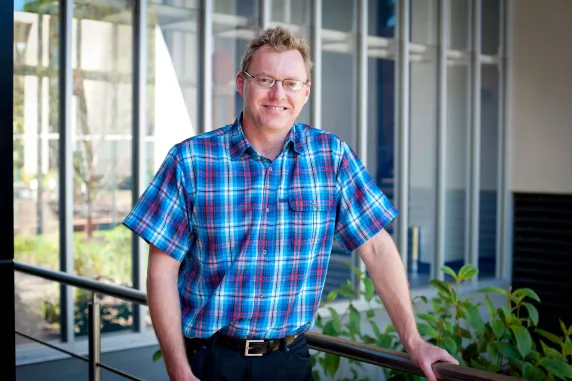
Andrew is a leading academic for research on the causes and consequences of population changes for our communities, economies and societies. His focus is on the Northern Territory, northern regions more broadly and Indigenous population changes. Andrew is part of two Australian Research council grants examining population change in regional and remote Australia, one related to climate change and one on international migrant attraction and retention.
Project details
Title: Enhancing migrant attraction and retention in regional and remote Australia: Quantitative evidence for policy design
Field of Research: Demography/ Economics
Project Summary: This PhD project will apply quantitative analysis to strengthen migrant attraction and retention in regional and remote Australia. Drawing on the Australian Bureau of Statistics’ Person-Level Integrated Data Asset (PLIDA), alongside Census and other administrative microdata, it will construct longitudinal migrant itineraries to examine settlement patterns, internal mobility, regional retention, and socio-economic outcomes. Using advanced longitudinal and spatial modelling techniques, the research will identify factors associated with sustained regional settlement. Embedded within a broader mixed-methods program, the project will generate policy-relevant evidence to inform federal, state, and local strategies for sustainable regional development and migrant integration.
Student/Applicant skill-set requirement: High proficiency in accessing, manipulating, analysing and reporting on large datasets. Skilled in quantitative analytical methods including preparation and modelling of data sets (demographic or economic analytical skills). Evidence of high potential for high quality academic writing. Driven to contribute to policy change and impact.
Cross cultural evaluations of Country in the Warddeken Indigenous Protected Area
(Currently Available)

Dr Cara Penton is a conservation ecologist specialising in biodiversity monitoring and applied conservation science. She currently serves as Ecological Monitoring Manager with Warddeken Land Management and as a Research Fellow with Charles Darwin University and CSIRO. Working closely with Traditional Owners in West Arnhem Land, her research focuses on co-developing culturally grounded biodiversity monitoring and evaluation programs. Her work advances two-way approaches that respectfully integrate Indigenous knowledge systems with Western ecological science to support ethical, data-driven land management and long-term biocultural stewardship on Indigenous estates.
Project details
Title: Cross cultural evaluations of Country in the Warddeken Indigenous Protected Area
Field of Research: Cross Cultural Environmental Science
Project Summary: This project evaluates co-designed digital monitoring, evaluation and learning (MEL) approaches that support Indigenous-led conservation while meeting Western scientific requirements. Building on the Digital Women Ranger and Healthy Country AI programs, it will trial participatory indicator development, compare community-led and systematic digital monitoring, and assess their value for adaptive management of priority species and landscapes. The research will identify tensions between top-down reporting and local priorities, producing practical strategies for ethical, culturally grounded monitoring. Outcomes will inform future conservation investment, biodiversity policy and Indigenous ranger programs, while strengthening peer learning, data sovereignty and long-term biocultural stewardship on Country.
Student/Applicant skill-set requirement: The ideal applicant will have demonstrated experience working in cross-cultural or community-based environmental contexts, particularly with Indigenous partners. Strong quantitative ecology skills (e.g. statistical modelling, spatial analysis, or ecological monitoring design) are essential, alongside an interest in applied conservation and digital tools. The successful candidate will be collaborative, culturally respectful, and motivated to undertake interdisciplinary research that bridges Indigenous knowledge systems and contemporary ecological science.
Paths to Permanence: A Longitudinal Study of Parenting, Work, and Belonging in Migrant Families
(Currently Available)

I am a migration sociologist and social policy researcher with a broad interest in human mobilities, gender, and inclusion. My research explores how policy, practices, and discourses shape the lived experiences of migrants and refugees, particularly within precarious settlement contexts. Currently, I lead and contribute to high-impact projects, including a major ARC Linkage Project (LP250100048). I am committed to high-quality HDR supervision and mentorship, providing students with strategic access to professional networks in government and industry to ensure their research drives meaningful policy change and improves settlement outcomes.
Project details
Title: Paths to Permanence: A Longitudinal Study of Parenting, Work, and Belonging in Migrant Families
Field of Research: Sociology
Project Summary: This project investigates how migrant families navigate the intersections of parenting, employment, and resettlement across two distinct Australian sites. Moving beyond individual outcomes, it uses an intersectional lens to examine the household as a strategic unit. The study employs a qualitative longitudinal design, following the settlement journeys of current temporary visa holders alongside the retrospective accounts of former temporary migrants. By utilising diverse data collection methods, the research captures how mothers and fathers negotiate gender roles, build social networks, and navigate resettlement while occupying a precarious migration status. The student will thrive in a supportive research environment, with unique opportunities for mentorship and networking with a major ARC Linkage Project team (LP250100048).
Student/Applicant skill-set requirement:The ideal candidate is a highly motivated researcher with a background in sociology, migration studies, or a related social science. They should possess strong qualitative research skills, including experience with NVivo or similar analysis software, and the ability to apply a critical gender lens to complex social issues. Experience or interest in longitudinal methods and intersectional theory is essential. This role suits an empathetic communicator capable of building trust with diverse families to translate findings into impactful settlement outcomes.
Shifting Populations in a Changing Climate: Understanding Climate-Driven Migration and Demographic Transformation in Australia and the Region
(Currently Available)
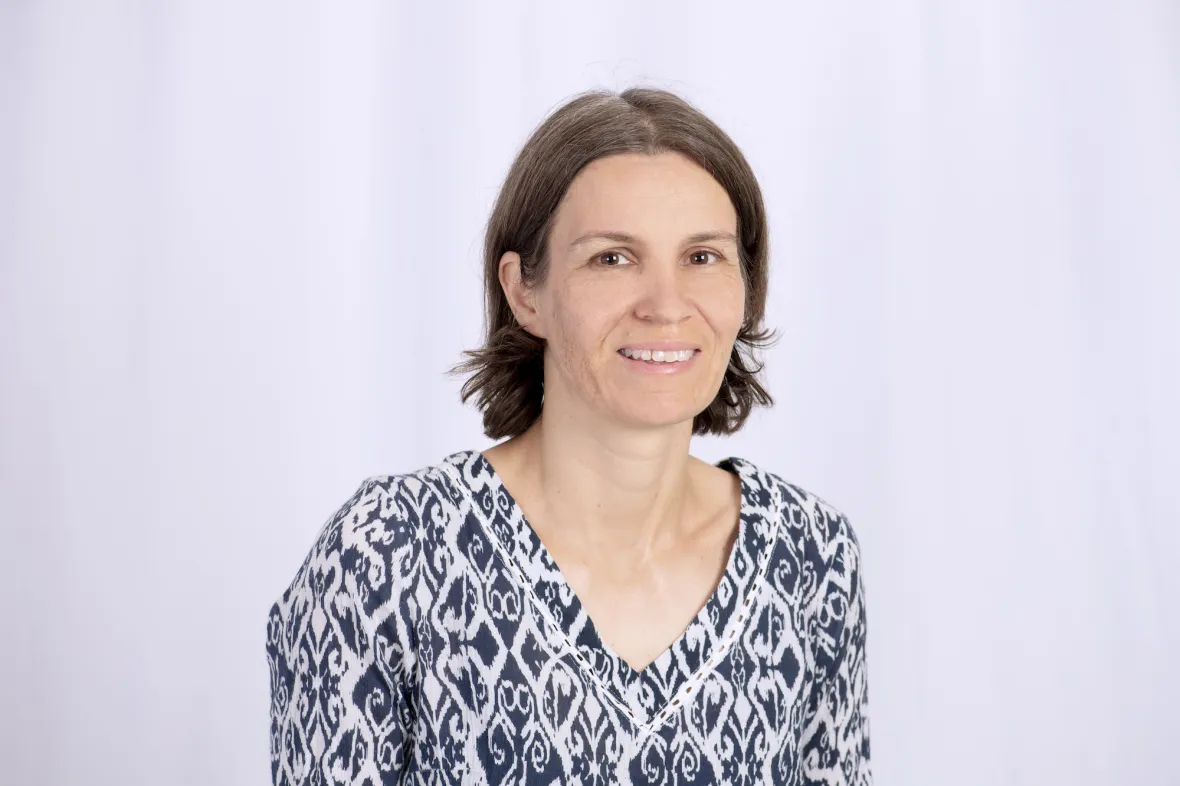
I am an environmental and energy economist (2006; University of Bonn, Germany). My research is looking at the diverse relationships between humans and nature and aspires to increasing human well-being and sustainability while helping people cope with changing environments and natural hazards. I published more than 170 scientific journal articles and 15 book chapters. I am among the world’s top 2% most influential scientists in her field of environmental science (according to Stanford University rankings).
Project details
Title: Shifting Populations in a Changing Climate: Understanding Climate-Driven Migration and Demographic Transformation in Australia and the Region
Field of Research:
Project Summary: The project aims to use different data sources to better understand how people in Australia and the region, including Southeast/South Asia and Pacific Island countries, are affected by increasing heat and natural hazards to an extent that leads them to move, either already or in the future. Expected outcomes include an improved understanding of the influence of natural hazards on changes in population numbers and composition. Expected benefits include an improved understanding of the environmental and climatic push and pull factors in migration, enabling better planning for essential service provision and economic growth.
Student/Applicant skill-set requirement: I am looking for an international student with a Masters degree in human geography, environmental science or similar fields with an emerging track record. The candidate should have strong skills in quantitative data analysis and GIS.
Safeguarding Australia’s Indigenous Languages in the AI Era
(Currently Available)
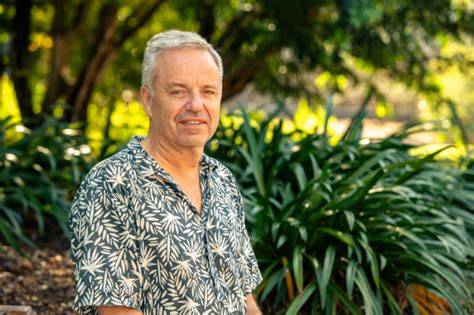
Over the past three decades, Steven Bird has been working with minoritised people groups in Africa, Melanesia, Amazonia, and Australia, and exploring how people keep their oral languages and cultures strong. He has held academic appointments at Edinburgh, UPenn, Berkeley, and Melbourne. Steven established the ACL Anthology, the Open Language Archives Community and the Natural Language Toolkit, and is past president of the Association for Computational Linguistics. Since 2017 he has been research professor at Charles Darwin University, where he collaborates with Indigenous leaders and directs the Top End Language Lab. Steven pursues other language-related projects at http://aikuma.org.
Project details
Title: Safeguarding Australia’s Indigenous Languages in the AI Era
Field of Research: Language Revitalisation
Project Summary: The year 2027 marks the mid-point of the International Decade of Indigenous Languages and the Australian government’s 10-year plan to significantly strengthen Australia’s ancestral languages. It also represents a moment in the new AI era when many expect multilingual LLMs to be supporting language revitalisation on a large scale. However, LLMs still perform poorly in these languages, rampantly fabricating nonsense words and meanings. Simply feeding LLMs more data does not address key metaphysical issues involving the ownership, relationality, hybridisation, and embodiment of Indigenous languages. This project will draw on our engagements with speech communities across Arnhem Land and the Kimberley and investigate an approach to generative AI that begins with local knowledge practices, life-ways and agency.
Student/Applicant skill-set requirement: We seek a First Nations HDR candidate with experience of language revitalisation work in a First Nations community, to explore designs, impacts and safeguards for Generative AI in Indigenous Languages.
