
Available Projects
Many of these PhD projects may be eligible for the various scholarship opportunities offered by CDU.
- Strengthening the remote multidisciplinary health workforce – Alexandra Edelman
- Improving outcomes of recurrent preschool wheeze: a multicentre randomised controlled trial (RCT) with biomarker discovery– Professor Anne Chang
- Further insights from the Darwin Prospective Melioidosis Study – Professor Bart Currie
- Atypical bacteria in chronic suppurative otitis media – Dr Jemima Beissbarth
- NEARER ECHO: task-sharing echocardiography for improved diagnosis and care of people with rheumatic heart disease– Professor Joshua Francis
- MicroD-Kids: Vitamin D, the infant microbiome and respiratory infection risk– Associate Professor Michael Binks
- Life-course and intergenerational pathways to chronic disease in Indigenous populations– Associate Professor Oyelola Adegboye
- Characterization of the hidden splenic burden of malaria in Africa– Dr Steven Kho
- Climate preparedness in very remote communities: a citizen science approach– Associate Professor Supriya Mathew
Strengthening the remote multidisciplinary health workforce
(Currently Available)

A/Prof Edelman leads the Wellbeing and Preventable Chronic Diseases Division and the Remote Health Systems and Climate Change Centre in Menzies. She has over 20 years’ experience working in health-related academic and policy roles in northern Queensland and the Northern Territory. Originally based in WA’s Kimberley region and now leading teams in Mparntwe (Alice Springs), A/Prof Edelman is focussed on rural and remote health in Australia as well as systems strengthening in low-resource settings with the World Health Organization. Her expertise as a researcher is in the fields of health systems, policy, knowledge translation, and qualitative/mixed methods research.
Project details
Project Title: Strengthening the remote multidisciplinary health workforce
Field of Research: Health policy and systems research
Project Summary: Health systems in remote Australia are broken. Workforce shortages, non-viable services, and fragmentation of care persist. Remote health services often struggle to keep clinics open, with many clinics forced to close or offer reduced services. Residents of remote areas of Australia, characterised by the poorest health status and greatest health needs, and many with multiple complex chronic diseases, are bearing the brunt of the current health system crisis and marked decline in access to critical services, especially primary health care. The aim of this project is to map health workforce gaps and needs and co-generate strategies to strengthen the multidisciplinary health workforce in remote contexts. Details of the research plan will be co-developed with the student/s. It is anticipated that the research will include at least one literature review using systematic methods and both qualitative and quantitative approaches. The research will be informed by place-based and participatory research frameworks and involve appropriate Aboriginal and Torres Strait Islander governance and capacity building to ensure benefits for First Nations peoples in remote Australia.
NB: This project is available only for Domestic applicants
Skillset of the student/applicant: Domestic student with an interest in health policy and systems research and health equity. Ideally based in Alice Springs or elsewhere in rural/remote Australia.
Improving outcomes of recurrent preschool wheeze: a multicentre randomised controlled trial (RCT) with biomarker discovery
(Currently Available)
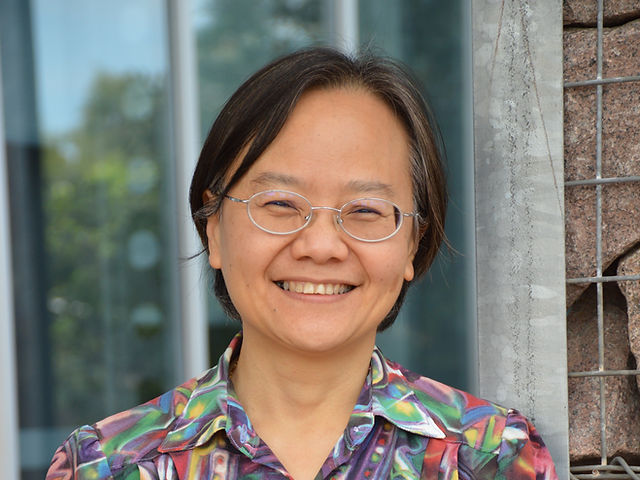
Professor Anne Chang, a NHMRC leadership 3 fellow, is an internationally recognised clinician‑scientist and leader in paediatric respiratory medicine. She pioneered the paradigm linking protracted bacterial bronchitis with bronchiectasis, transforming global understanding of chronic cough in children. As Head of the Child Health Division at Menzies School of Health Research and a senior respiratory physician at Queensland Children’s Hospital, she leads multicentre trials, advances evidence‑based care, and champions equity for Indigenous and underserved populations. A dedicated mentor, she has built research capacity nationally and internationally, shaping the next generation of respiratory clinicians and researchers.
Project details
Project Title: Improving outcomes of recurrent preschool wheeze: a multicentre randomised controlled trial (RCT) with biomarker discovery
Field of Research: Respiratory Diseases in Children
Project Summary: Wheezing in preschool children and those with asthma are very common problems. Yet, doctors often disagree with parents (>50%) whether wheeze is present. We plan a multicentre study where we will use a portable technology that objectively detects wheeze (WheezeScan) with a management plan to determine if this tech reduces unscheduled doctor visits/hospitalisations and improves quality of life. We also plan a discovery arm based on pilot data using blood gene expression markers and saliva extracellular vesicles. Our study undertaken in Brisbane, Indigenous Outreach clinics, Sydney, Melb, Perth and Darwin will recruit 206 children.
NB: This project is available only for Domestic applicants
Skillset of the student/applicant: A scholar with a clinical background who is interested in randomised controlled trials
Further insights from the Darwin Prospective Melioidosis Study
(Currently Available)

Bart Currie is an infectious diseases and public health physician at Royal Darwin Hospital and Professor in Medicine at the Northern Territory Medical Program. He leads the Tropical and Emerging Infectious Diseases team at Menzies School of Health Research, Charles Darwin University. Previous roles include Director of Rheumatic Heart Disease Australia, Director of HOT NORTH (NHMRC-funded Improving Health Outcomes across Northern Australia Program), member of the National COVID-19 Health and Research Advisory Committee (NCHRAC), and member of the Technical Reference Group for the Australian Government’s Regional Health Security Initiative. He began the Darwin Prospective Melioidosis Study 35 years ago and the Menzies melioidosis team collaborate and publish on melioidosis with colleagues globally. He is a founding member of the International Melioidosis Network.
Project details
Project Title: Further insights from the Darwin Prospective Melioidosis Study
Field of Research: Infectious Diseases and Public Health
Project Summary: As of February 2026, the Darwin Prospective Melioidosis Study has documented 1538 cases of culture-confirmed melioidosis, with 159 (10%) being fatal. Each case has data on demography, clinical risk factors, occupational and recreational exposures, clinical presentation, laboratory and radiological parameters, therapy and outcomes. In addition, the bacterial genomes from the infecting strain of Burkholderia pseudomallei are available for 95% of the individual cases. This unique and rich dataset enables analysis and addressing multiple hypotheses around nature of infection, disease presentation and progression and outcomes and the influence of potential virulence determinants of the bacteria and their diversity.
NB: This project is available only for Domestic applicants
Skillset of the student/applicant: We seek either a medical graduate or a graduate from other health professions who has enthusiasm and capacity for analysing datasets that include clinical information as well as epidemiology. An additional interest in pathogen genomics would be helpful.
Atypical bacteria in chronic suppurative otitis media
(Currently Available)

Dr Jemima Beissbarth (PhD, GCClinEpi, BSc, BT) is an early career researcher, developing a program in chronic suppurative otitis media aetiology and treatment, and prevention of progression to chronic ear disease for infants. With a laboratory background, she has particular interest prevention or hinderance of bacterial colonisation to prevent early infections. She also is passionate about evidence-based treatment clinical trials to improve outcomes for children with otitis media, especially for severe infections where current best practice treatments are often ineffective.
Project details
Project Title: Atypical bacteria in chronic suppurative otitis media
Field of Research: Clinical microbiology
Project Summary: Our ear discharge bacteriome analysis of chronic suppurative otitis media (CSOM) identified a genus rarely reported in ears. Culture targeting this atypical genus recovered Oligella urethralis and a novel (new) Oligella species we have named Oligella otitidis.
This project will progress understanding of whether O. otitidis may contribute to CSOM pathogenesis, and whether Oligella are present across different CSOM populations. Our aims are: i) use bacteriome analysis to guide culture-based recovery, establish antibiotic susceptibility, and determine genomic diversity, ii) determine whether Oligella is present in different populations; iii) Develop a PCR assay to support detection and identification.
NB: This project is available only for Domestic applicants
Skillset of the student/applicant: This project would suit a student with laboratory experience in microbiology and molecular methods, and interest in bioinformatics.
NEARER ECHO: task-sharing echocardiography for improved diagnosis and care of people with rheumatic heart disease
(Currently Available)
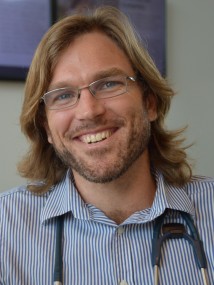
Professor Joshua Francis is a Paediatric Infectious Diseases Physician at Royal Darwin Hospital, and a Senior Principal Research Fellow at Menzies School of Health Research. He leads programs in Timor-Leste and the Northern Territory focused on teaching, capacity strengthening, health systems improvement and research. His research is based on a principle of ‘akompana’, partnering with community and local research and health leaders, to develop, implement and evaluate strategies for tackling priority health challenges including rheumatic heart disease, tuberculosis and antimicrobial resistance.
Project details
Project Title: NEARER ECHO: task-sharing echocardiography for improved diagnosis and care of people with rheumatic heart disease
Field of Research: Health science, public health, cardiovascular medicine, Aboriginal and Torres Strait Islander health and wellbeing
Project Summary: The Non-Expert Acquisition and Remote Expert Review Echocardiography in Communities to improve Health Outcomes (NEARER ECHO) study is a type II effectiveness-implementation hybrid study, evaluating implementation of task-sharing echocardiography for early detection and improved care for people with rheumatic fever and rheumatic heart disease in high-risk populations in the Northern Territory and Timor-Leste. The PhD student will contribute to co-design of implementation strategies using human centred design principles and an approach called akompana, and conduct mixed methods evaluation using developmental evaluation and quasi-experimental evaluation of implementation measures, health economic evaluation, and quantitative evaluation of clinical impacts of implementation.
NB: This project is available only for International applicants.
Skillset of the student/applicant: The student will lead on implementation evaluation, with supervision and support from an experienced team who are committed to working effectively with and listening to communities, and developing strategies for RHD detection and follow-up that can be sustainably implemented at scale. Interested candidates should be willing to travel to remote communities, have excellent listening and communication skills, and some background experience in health research. Aboriginal and Torres Strait Islander people and Timorese citizens are strongly encouraged to apply.
MicroD-Kids: Vitamin D, the infant microbiome and respiratory infection risk
(Currently Available)
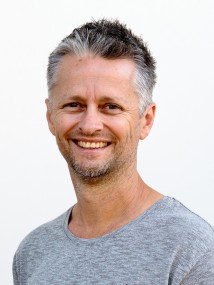
Associate Professor Michael Binks is a Principal Research Fellow and Program Leader in the Maternal and Child Health Division at Menzies School of Health Research in the Northern Territory of Australia, and an Honorary Research Fellow at the South Australian Health and Medical Research Institute. He holds a BSc from Monash University, a BHSc from the Australian College of Nutritional Medicine, and a PhD from Charles Darwin University. He is a biomedical scientist, epidemiologist, and clinical trialist whose research focuses on preventing respiratory infections in high-risk infants, particularly First Nations children, through vaccine, nutritional, and microbiological studies.
Project details
Project Title: MicroD-Kids: Vitamin D, the infant microbiome and respiratory infection risk
Field of Research: Paediatrics and Reproductive Medicine; Nutrition and Dietetics; Microbiology
Project Summary: Acute respiratory infections are a leading cause of hospitalisation in First Nations infants. This PhD will investigate whether maternal and early infant vitamin D supplementation influences microbiome development and infection risk in the first year of life. The student will analyse longitudinal stool, nasal and breast milk samples from a completed clinical trial using microbiome sequencing and integrated modelling approaches. This project offers the opportunity to generate new insights into early immune development and identify prevention strategies to improve respiratory health outcomes for First Nations infants.
NB: This project is available only for Domestic applicants
Skillset of the student/applicant: The ideal candidate will have a background in biomedical science, microbiology, public health, or a related field, and an interest in early-life health, microbiome research or infection prevention. They should be curious, motivated and comfortable working with complex biological and clinical data. Experience in laboratory methods, bioinformatics or statistical analysis would be advantageous but not essential. A willingness to engage in translational and community-informed research aimed at improving First Nations child health is important.
Life-course and intergenerational pathways to chronic disease in Indigenous populations
(Currently Available to Domestic Applicants only)

Oyelola Adegboye is an Associate Professor of Biostatistics at the Menzies School of Health Research. He holds a PhD in Statistics from the University of the Western Cape, South Africa, and an MSc in Biostatistics from Hasselt University, Belgium. He is a chartered and accredited statistician with extensive experience in public health research and adheres to the highest ethical standards. A/Prof Adegboye’s career spans over two decades, including academic and applied research roles across Africa, the Middle East, and Australia. A/Prof Adegboye’s research integrates biostatistics, spatial epidemiology, and environmental health, with a strong focus on chronic conditions, infectious diseases, climate-health interactions, maternal and child health, and Indigenous health equity.
Project details
Project Title: Life-course and intergenerational pathways to chronic disease in Indigenous populations
Field of Research: Epidemiology, Clinical sciences, Health services and systems
Project Summary: Social and cultural practices, environmental factors, and policy decisions interact to shape health outcomes. This project examines the developmental and intergenerational origins of chronic disease through a life-course and syndemic framework. Leveraging linked longitudinal data, this study adopts a syndemic approach to investigate the clustering of health conditions, such as diabetes and kidney disease, within the Indigenous population of the NT. It also explores how the interplay of climate factors (heat, rain, drought), environmental factors (water, housing), social elements (food security, unemployment), and policy areas (health, education) influences intergenerational health outcomes.
NB: This project is available only for Domestic applicants.
Skillset of the student/applicant: We are seeking a highly motivated PhD candidate with a strong quantitative background in biostatistics, epidemiology, public health, or health data science. Applicants should have prior experience using statistical software such as R, Python, or Stata for data analysis and be comfortable working with large, complex datasets. Experience in longitudinal or survival analysis is desirable. Candidates should demonstrate interest in life-course epidemiology, chronic disease prevention, and Indigenous health, and be willing to engage in culturally safe, community-informed research practices.
Characterization of the hidden splenic burden of malaria in Africa
(Currently Available)
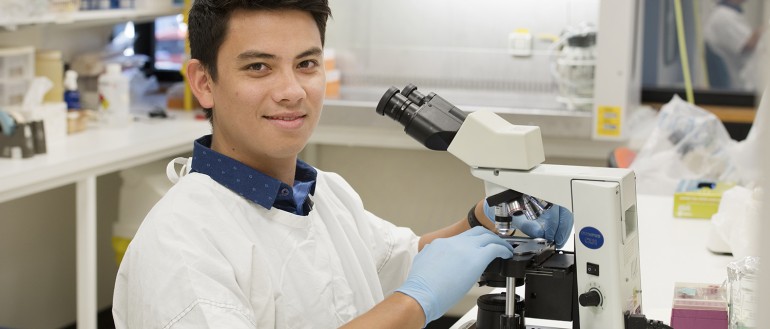
Dr Steven Kho is a Senior Research Fellow at Menzies and leads an international malaria spleen program. He holds a PhD from CDU (2019) and BSc (first-class Honours) from University of WA (2010). His discoveries in malaria have transformed Plasmodium biology, redefining malaria into an infection of the spleen sustained by novel intrasplenic lifecycles. His current work aims to define its mechanistic biology and to target the spleen to reduce global malaria burden. Dr Kho has published in top medical journals, received major awards and competitive grants, and leads an expanding field and laboratory research team across Australia, Indonesia and Africa.
Project details
Project Title: Characterization of the hidden splenic burden of malaria in Africa
Field of Research: Malaria (parasitology, molecular biology, immunology, bioinformatics)
Project Summary: Malaria is a parasitic disease causing >600,000 deaths annually, mostly African children. Our studies in Indonesia have reshaped malaria biology, revealing a large hidden reservoir of malaria parasites in the adult spleen and previously unrecognised intrasplenic lifecycles. Outstanding questions include magnitude and biology of splenic reservoir in children and African populations, where transmission is highest. This project will analyse spleen and blood samples from Ugandan children/adults with current or past malaria using advanced molecular, imaging, and bioinformatic approaches to assess parasite biomass, parasite genetic diversity, transcriptomics host-parasite interactions. Results may lead to improve malaria detection, prevention, and treatment strategies.
NB: This project is available only for Domestic applicants
Skillset of the student/applicant: We seek a PhD student with skills in parasitology, molecular biology and bioinformatics. Prior malaria research experience in these areas will be highly desirable.
Climate preparedness in very remote communities: a citizen science approach
(Currently Available)

Associate Professor Supriya Mathew is Co-Lead of the Remote Health Systems and Climate Change Centre (RHC3) in Alice Springs. She established the climate change program at Menzies, which has secured more than $8 million in funding over the past five years from major national and international funders, including the Department of Industry, Science, Energy and Resources, the Medical Research Future Fund, the National Health and Medical Research Council, and the Wellcome Trust. Her work focuses on the intersection of climate change, community resilience, and equity in remote Australia, supporting locally led solutions that strengthen health and wellbeing in the face of a changing climate.
Project details
Project Title: Climate preparedness in very remote communities: a citizen science approach
Field of Research: Climate change
Project Summary: Aboriginal people living in very remote desert communities hold strong local environmental knowledge to inform effective climate adaptation. At the same time, remote desert communities are at risk to climatic changes due to geographic isolation, poor quality of infrastructure available to moderate extreme weather, limited economic resources, limited access to health services, existing health burdens and greater dependence on the environment for social, cultural and economic well-being. Primary Health Care (PHC) providers who operate at the local community level and have established relationships with community members can play a significant role in responding to climate change through the implementation of awareness programs, preventive health measures and supporting community advocacy. The project builds on the rationale that a “one-size-fits-all” adaptation approach that doesn’t consider the unique socio-economic and environmental circumstances of very remote Australian communities and PHC services will exacerbate climate change related health impacts. For effective climate adaptation in very remote communities, it is essential that researchers, remote service staff and remote community members work together to explore local environmental health impacts and co-design effective risk reduction measures. This project will synthesise local environmental knowledge, service staff observations, data from citizen scientists to design contextual and community acceptable risk reduction measures.
NB: This project is available only for Domestic applicants
Skillset of the student/applicant: Mixed methods expertise, with willingness to be based in central Australia

