
Available Projects:
Many of these PhD projects may be eligible for the various scholarship opportunities offered by CDU.
- Personality, Rurality, and Recreation: Using the Five Factor Model to Understand Coping, Flourishing, and Retention of Rural Doctors in Australia– Dr. Charles Mpofu
- Innovative Clinical Placements in Online Speech Pathology: Simulation, Telehealth, Tele-supervision for Professional Readiness– Dr. Hamid Karimi
- Mandatory Reporting in the Northern Territory and Timor-Leste: Examining Women’s Safety and Health Practice– Associate Professor. Kayli Wild
- Injectable Self-Healing Hydrogel Platform for Sustained Delivery of Anti-Melanoma and Immunomodulatory Bioactives– Dr. Nazim Nassar
- Reflection, mentoring and care for First Nations staff in Birthing on Country services– Dr. Sarah Ireland
- Remote and very remote midwifery workforce retention– Dr. Sarah Ireland
- Healthy Ageing in the Northern Territory. A mixed methods study of needs, health, and intervention – Dr Corey Linton
- Applied Indigenous Data Sovereignty: Aboriginal Data in Aboriginal Hands– Dr. Yu Gao
Personality, Rurality, and Recreation: Using the Five Factor Model to Understand Coping, Flourishing, and Retention of Rural Doctors in Australia
(Currently Available)
I have supervised 5 doctoral students to completion and twice been given prizes for graduate research supervision excellency. I also received a commendation from the Saudi Embassy in Auckland for pastoral care of graduate students. I am an interdisciplinary researcher with a doctorate in Medical Education, working at the intersection of medicine, health, public health, and health inequalities. My research is unified by three interconnected lenses: ethics, curriculum design, and policy, applied nationally and internationally. I examine how national and international policy environments shape the conditions under which medicine and health are practiced, and how ethical frameworks and educational design influence professional formation and access to care. By integrating ethical analysis, curriculum development, and policy perspectives, I aim to make research in health inequalities directly relevant to medicine, health, medical education, and health system reform. My goal is to contribute to a medicine and health system that are not only scientifically excellent, but socially accountable and responsive to the needs of diverse populations.
I have held a previous portfolio as head of Department of Graduate Studies In the Faculty of Health at Auckland University Of Technology.
Project details
Project Title: Personality, Rurality, and Recreation: Using the Five Factor Model to Understand Coping, Flourishing, and Retention of Rural Doctors in Australia
Field of Research: Health/Medical Education
Project Summary: This project aims to examine how personality traits, rural environmental engagement, and recreation patterns interact to influence coping, flourishing, and retention among rural doctors in Australia.
Skillset of the student/applicant: Psychology with mixed methods background
Innovative Clinical Placements in Online Speech Pathology: Simulation, Telehealth, Tele-supervision for Professional Readiness
(Currently Available)

Dr Hamid Karimi is a qualified speech pathologist and university lecturer with over 15 years of hands-on experience in family-centered assessment and intervention across adult and child settings. He has extensive expertise teaching diverse undergraduate and postgraduate speech pathology students, guiding research development, and mentoring HDR candidates in conducting high-quality studies. With comprehensive knowledge of research methodology and strong skills in statistical analysis, he has published book chapters and peer-reviewed academic papers in professional speech pathology journals.
Project details
Project Title: Innovative Clinical Placements in Online Speech Pathology: Simulation, Telehealth, Tele-supervision for Professional Readiness
Field of Research: Speech Pathology; Health Professions Education; Online / Hybrid Clinical Education; Tele practice / Tele supervision in Allied Health; Simulation-based Learning in Speech Pathology
Project Summary: This PhD further develops and evaluates CDU’s innovative clinical placement model in its online speech pathology program to prepare graduates for Speech Pathology Australia standards. It examines novice-level simulation clinics, telehealth delivery via CDU Health Hub, and tele supervision for all online students. Mixed-methods assessment of effectiveness, stakeholder perceptions, anxiety/confidence, competency development, and alignment with evidence (Walters et al., 2025; Pittmann et al., 2025; Hill et al., 2021; Nagdee et al., 2022) will inform scalable models for equity in online education and professional readiness. The project supports CDU Strategic Plan Goals 1 (enhance regional/rural/remote training access), 3 (advance research quality and impact), and 6 (create connected, successful student experiences).
Skillset of the student/applicant: Type of Student Sought (50-80 words) * Experienced clinical placement coordinator within a Speech Pathology program, with strong familiarity in telehealth delivery, tele supervision models, and professional accreditation standards. Demonstrated understanding of competency-based assessment and clinical education requirements is essential. The ideal candidate will be motivated to enhance quality and equity in clinical training, with skills in mixed-methods research, including quantitative analysis, qualitative inquiry, and stakeholder engagement.
Mandatory Reporting in the Northern Territory and Timor-Leste: Examining Women’s Safety and Health Practice
(Currently Available)
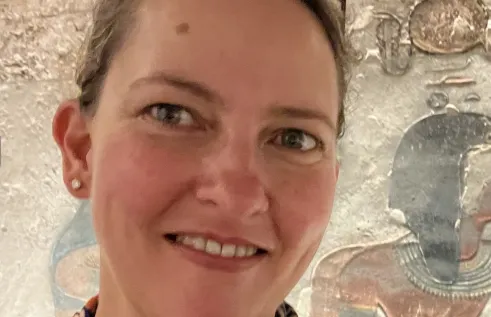
Kayli is a medical anthropologist and public health researcher specialising in midwifery models of care and health system responses to violence against women and children in Timor-Leste and Northern Territory (NT). Over two decades, she has led nationally and internationally funded programs translating lived-experience research into sustainable policy, curriculum and service reform. Her work has informed World Health Organisation global guidance, shaped national training curricula and strengthened trauma-informed health responses across Timor-Leste. Now based at CDU’s Molly Wardaguga Institute, she leads NT-wide initiatives embedding domestic, family and sexual violence (DFSV) education, research and knowledge exchange to improve outcomes for women and families.
Project details
Project Title: Mandatory Reporting in the Northern Territory and Timor-Leste: Examining Women’s Safety and Health Practice
Field of Research: Public Health and Health Services Research / Health Systems, Health Equity, Gender Studies
Project Summary:Health services are increasingly expected to screen for and identify DFSV, particularly in maternity care settings. Yet in jurisdictions such as the NT and Timor-Leste, practitioners operate under some of the strictest mandatory reporting laws for both adults and children, often without clear guidance on reporting thresholds, clinical discretion or downstream consequences. While mandatory reporting for DFSV is intended to enhance safety, we know little about how victim-survivors experience these processes, whether they increase protection or create unintended harm. This comparative study will critically examine how women and health professionals navigate these mandates and generate insights to inform practitioner training, survivor-centred guidance, and policy reform grounded in women’s safety and lived experience.
Skillset of the student/applicant:The ideal candidate will have a strong commitment to women’s rights, justice and survivor-centred practice. They will demonstrate empathy, cultural humility and experience or interest in health systems and gendered violence research. A background in maternal health, social work, gender studies or health policy is desirable. Candidates who are First Nations from the Northern Territory or Timor-Leste, and who are multilingual (e.g., English and Tetun), are strongly encouraged to apply.
Injectable Self-Healing Hydrogel Platform for Sustained Delivery of Anti-Melanoma and Immunomodulatory Bioactives
(Currently Available)
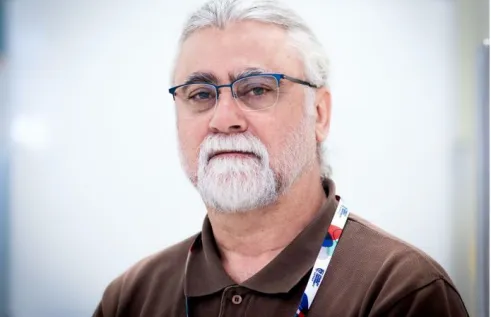
Dr Nazim Nassar is an academic in pharmaceutics and drug delivery, specialising in advanced biomaterials, controlled-release systems, and translational pharmaceutical innovation. His research integrates polymer science, nanotechnology, and therapeutic platforms with strong industry and regional bioresource engagement. He has published in high-quality peer-reviewed journals, supervised HDR candidates in drug delivery and biomaterials, and contributed to pharmaceutical patent development. His program emphasises interdisciplinary collaboration, translational impact, structured milestone planning, and publication-ready outputs. Supported by established laboratory infrastructure and active cross-disciplinary partnerships, his research platform is designed to deliver timely HDR completions and Q1-level outcomes.
Project details
Project Title: Injectable Self-Healing Hydrogel Platform for Sustained Delivery of Anti-Melanoma and Immunomodulatory Bioactives
Field of Research: Pharmaceutics and advanced drug delivery/Biomedical-Pharmacology / translational medicine
Project Summary:This project develops next-generation self-healing injectable hydrogels that form stable therapeutic depots after minimally invasive administration. These advanced polymer systems exhibit shear-thinning during injection and rapid in situ structural recovery, enabling sustained and programmable drug release. By tailoring crosslink chemistry and network dynamics, release profiles can be matched to specific disease needs, including localised melanoma therapy, regenerative wound applications, and long-acting systemic treatments. The platform reduces burst release and supports small molecules, peptides, and biologics. With strong intellectual property potential, this research aims to develop a versatile injectable drug-delivery platform spanning oncology, regenerative medicine, and chronic disease management.
Skillset of the student/applicant: We seek a highly motivated PhD candidate with a strong background in pharmaceutics, polymer chemistry, biomaterials, biomedical engineering, or a related field. Experience in hydrogel systems, drug delivery, rheology, or materials characterisation is highly desirable. The ideal applicant will be confident in laboratory-based research, experimental design, and quantitative data analysis. Familiarity with controlled-release systems, crosslinking chemistry, or translational biomedical research will be advantageous. The candidate should demonstrate independence, critical thinking, and strong scientific writing skills, with a clear commitment to publishing in high-impact journals. This project is suited to individuals passionate about innovative injectable therapies with real clinical and commercial potential.
Reflection, mentoring and care for First Nations staff in Birthing on Country services
&
Remote and very remote midwifery workforce retention
(Currently Available)
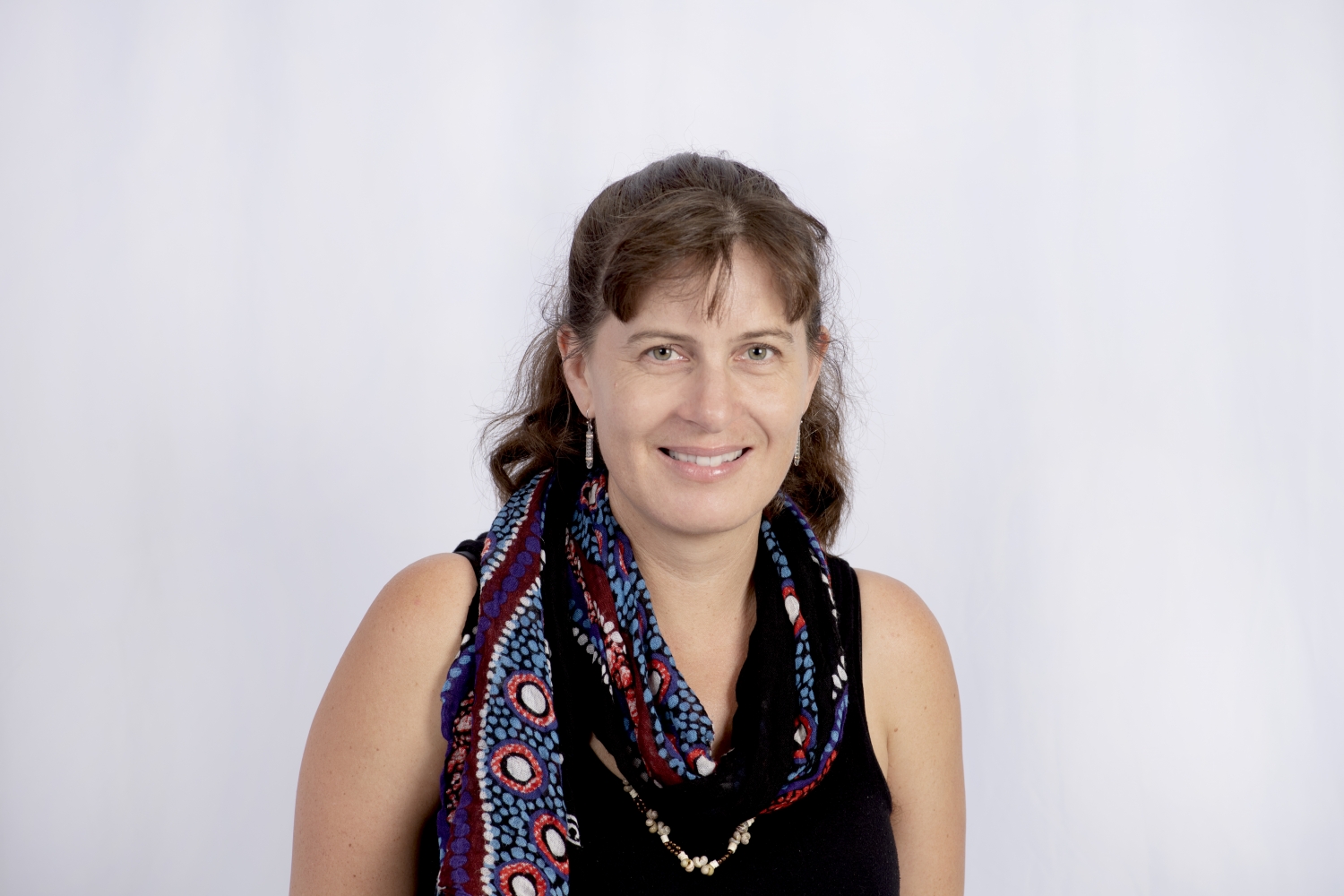
Associate Professor Sarah Ireland is a researcher, filmmaker, and advocate working at the intersection of First Nations governance, Birthing on Country, health equity, and community-led innovation in remote Australia. Her work is grounded in long-term partnerships with First Nations leaders and organisations, supporting sovereign approaches to maternal and child health, policy reform, and culturally safe service systems. Sarah’s research combines rigorous qualitative methods with creative storytelling, producing impactful academic outputs, documentaries, and community resources. She welcomes PhD students passionate about decolonising research, First Nations-led development, collaborative methodologies, and real-world change through respectful, ethical, and engaged scholarship.
Project details
Project Title: Reflection, mentoring and care for First Nations staff in Birthing on Country services
Field of Research: Midwifery
Project Summary:This PhD will work alongside First Nations leaders within the Birthing on Country movement to explore and strengthen reflective practice, mentoring and culturally safe support for First Nations maternity staff. Using a decolonising participatory action research approach across multiple sites, the project will co-design and pilot practical resources that respond to workforce-identified needs. The research will contribute to sustainable workforce development, staff wellbeing and service quality, supporting the long-term success of community-governed Birthing on Country models across remote Australia.
Skillset of the student/applicant:We are seeking a relational, reflective and self-motivated candidate with a strong commitment to First Nations-led research and health equity. The ideal applicant will have a background in midwifery, nursing, public health, social sciences or a related field, with experience (or strong interest) in qualitative or participatory research. Cultural humility, strong communication skills, and the ability to work respectfully alongside First Nations communities are essential. Experience in remote or cross-cultural settings is highly regarded.
Project details
Project Title: Remote and very remote midwifery workforce retention
Field of Research: Midwifery
Project Summary: This PhD investigates recruitment, retention and wellbeing of midwives working in remote and very remote Northern Territory settings within the Birthing on Country movement. Partnering with Yolŋu leadership and the Pandanus Mat Partnership Project, the study will explore what motivates midwives to commence, stay or leave these roles, and identify strategies to strengthen a culturally responsive maternity workforce. Using mixed methods, the research will generate nationally relevant evidence to inform workforce reform, improve continuity of care, and support better outcomes for First Nations women, babies and communities.
Skillset of the student/applicant: The ideal candidate is an AHPRA-registered midwife with experience in remote or very remote practice. Prior research training (Honours or Masters) or experience in workforce policy, leadership or guideline development is desirable. Strong communication skills, capacity for mixed methods research, and a commitment to culturally responsive practice are essential. This project suits a motivated midwife seeking to influence workforce reform and contribute to sustainable, community-informed maternity services in remote Australia.
Healthy Ageing in the Northern Territory. A mixed methods study of needs, health, and intervention
(Currently Available)
Sionnadh McLean is Professor of Physiotherapy at Charles Darwin University whose research focuses on neck pain, upper limb disability, and rehabilitation adherence in musculoskeletal physiotherapy. She supervises doctoral research spanning exercise and physical activity, motivational interviewing, and cardiorespiratory physiotherapy, including collaborative work in Cameroon. Her projects address clinical measurement and management of upper limb dysfunction, treatment-based subgrouping in neck pain, and strategies to enhance attendance, engagement, and sustained physical activity. Through this work, she contributes to evidence-informed physiotherapy practice that supports behaviour change, functional recovery, and long-term participation in physical activity.
Project details
Project Title: Healthy Ageing in the Northern Territory. A mixed methods study of needs, health, and intervention
Field of Research: Healthy ageing: Nutrition, exercise science and physiotherapy
Project Summary: The needs of older adults in the NT are poorly defined, there is limited data describing their health status, lifestyle behaviours, and psychosocial wellbeing. Existing literature demonstrates that strong support networks related to diet, physical activity, and psychosocial wellbeing are essential for healthy ageing. Identifying the needs of older adults specifically in the NT will allow potential tailored interventions to be developed in the domains of nutrition, physical activity, and psychosocial wellbeing. This project will identify the needs of older adults in the Northern Territory and co-design a targeted health intervention which will directly address priority needs identified by stakeholders.
Skillset of the student/applicant: We seek a high achieving and motivated candidate with a background in nutrition, dietetics, exercise science, public health, allied health, epidemiology, psychology, or a related discipline. The ideal applicant will demonstrate strong analytical skills and an interest in healthy ageing across diverse populations. Experience in systematic reviews, qualitative, quantitative, or mixed methods research is desirable. Applicants should be capable of working independently, engaging with community stakeholders, and translating research into practical health outcomes.
Contact for more details: Dr Corey Linton
Applied Indigenous Data Sovereignty: Aboriginal Data in Aboriginal Hands
(Currently Available)
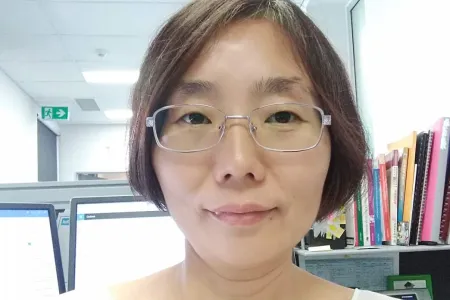
Yu is a trained obstetrician who leads the research and data team in building evidence, testing implementation and scale-up strategies, and evaluating the effectiveness and cost-effectiveness of Birthing on Country and other maternity care services across Australia. She has many years of experience working with First Nations people, communities, and Aboriginal Community Controlled Health Organisations. Yu also brings extensive expertise in advanced medical biostatistics, social science, and health economics research. She has an excellent track record in securing competitive external funding, including from the NHMRC and MRFF, and has published in leading academic journals such as Lancet Global Health and Lancet Regional Health-Western Pacific.
Project details
Project Title: Applied Indigenous Data Sovereignty: Aboriginal Data in Aboriginal Hands
Field of Research: Health systems / public health
Project Summary: This PhD project will be jointly undertaken by Charles Darwin University’s Molly Wardaguga Institute for First Nations Birth Rights and Waminda – South Coast Women’s Health and Welfare Aboriginal Corporation, a trusted Aboriginal Community Controlled Health Organisation with over 40 years of service. The project, Applied Indigenous Data Sovereignty: Aboriginal Data in Aboriginal Hands, aims to co-create a secure, culturally responsive Data Warehouse and Dashboard for Waminda’s Minga Gudjaga (Mother and Child) program. It responds to urgent system gaps that limit outcome evaluation, continuous quality improvement (CQI) and national reporting. Guided by Indigenous governance and data sovereignty principles, this work will strengthen Aboriginal leadership in digital health innovation, improve data quality, and drive Closing the Gap Target 17.
Skillset of the student/applicant: The ideal applicant will bring a strong foundation in public health, epidemiology, health informatics, data science, or a related discipline, with demonstrated commitment to Indigenous Data Sovereignty principles and Aboriginal and Torres Strait Islander self-determination. They will have experience working with First Nations communities, preferably in the health domain, and an understanding of health equity and culturally safe research practices. Essential skills include literature review, qualitative and quantitative analysis, and familiarity with data management tools such as SQL, R, or Python. Experience in health systems, maternal and child health, or community-based research is highly valued. The candidate should be an effective communicator, able to engage respectfully with Aboriginal Community Controlled Health Organisations (ACCHOs) and community stakeholders. A willingness to work collaboratively within an interdisciplinary, cross-cultural team and travel to community settings is essential. Familiarity with participatory research, co-design methodologies, or dashboard development is desirable but not required.

